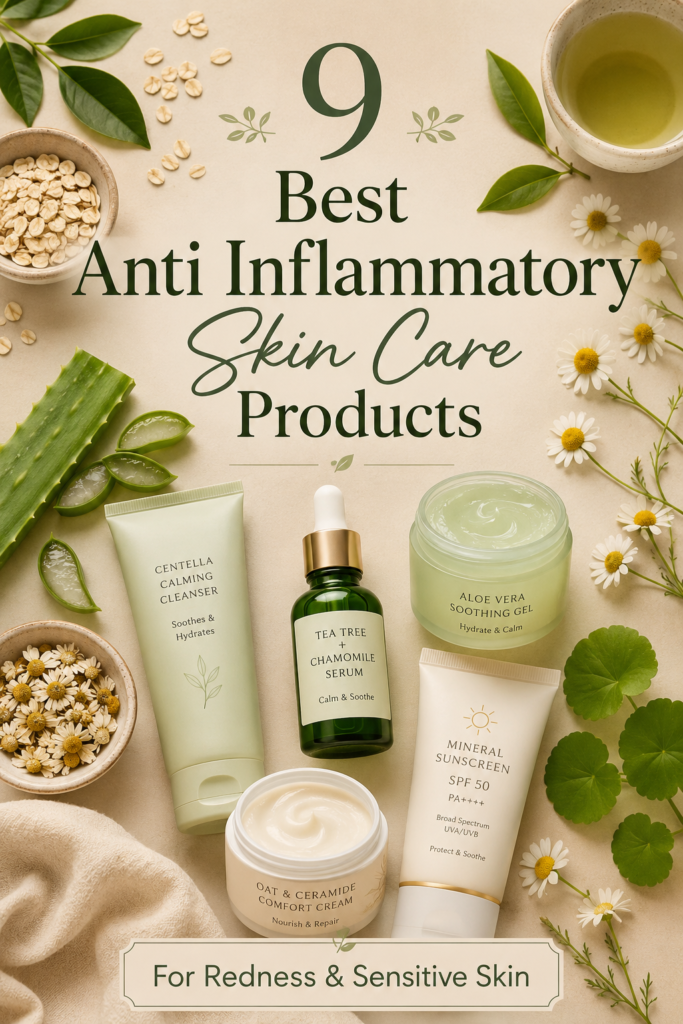
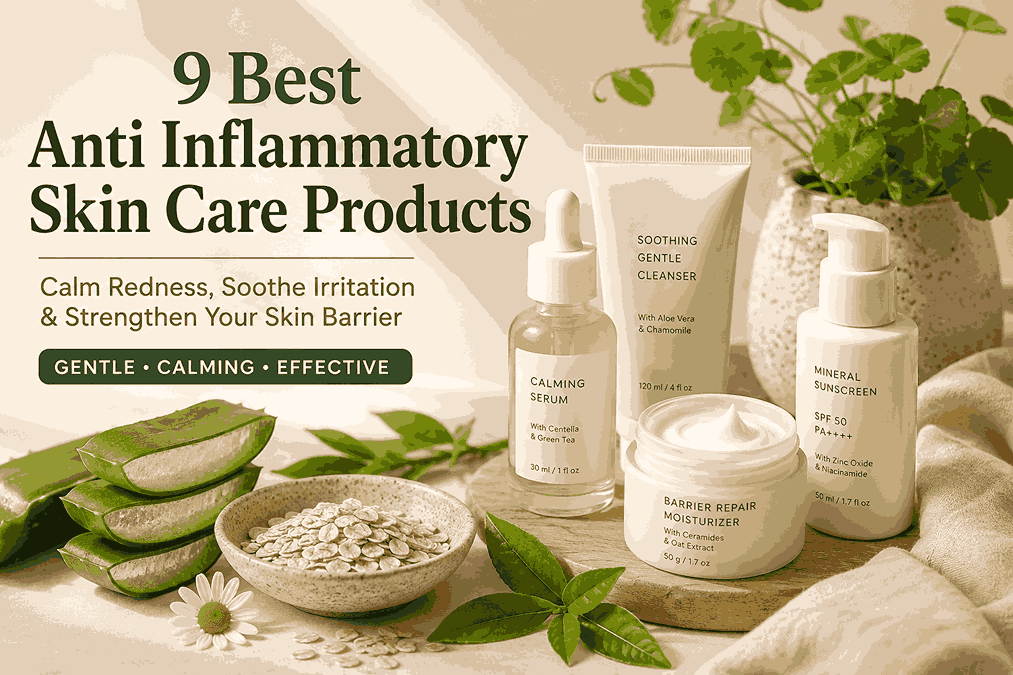
Anti-Inflammatory Skin Care Products: 9 Best Calming Picks for Red, Irritated Skin
Anti inflammatory skin care products are having a moment — and honestly, it makes sense.
So many people are dealing with redness, burning, dryness, bumps, or that weird “my face feels angry for no reason” feeling. Sometimes it comes after using too many actives. Sometimes it’s rosacea-prone skin. Sometimes your skin barrier is just tired. And sometimes… you don’t even know what triggered it.
That’s where anti inflammatory skin care can help.
Not in a magical overnight way. Let’s be real. A cream can calm your skin, support the barrier, and reduce the look of irritation, but it won’t fix every skin condition in one night. Still, the right product can make your face feel softer, less tight, and less reactive. And that’s a big deal when your skin feels like it’s complaining every day.
In this guide, we’ll talk about the best anti inflammatory skin care products, the best anti inflammatory face cream options, calming ingredients, what to avoid, and how to build a simple anti inflammation skin care routine that doesn’t make your skin worse.
People with excess shine can also explore these top skin care products for oily skin for lightweight cleansing, hydration, and daily protection.
What Does “Skin Anti Inflammatory” Really Mean?
A skin anti inflammatory product is usually made to calm visible irritation and support your skin barrier. It may help with things like:
- Redness
- Dry patches
- Burning or stinging
- Itchy-feeling skin
- Tightness after washing
- Rough texture
- Skin that reacts easily to products
- Mild post-exfoliation irritation
But here’s the important part. Inflammation isn’t always bad. It’s part of the body’s natural healing process. The problem starts when your skin stays irritated, reactive, or uncomfortable for too long.
That’s why anti inflammation skin care is less about “fighting” your skin and more about helping it relax.
A good routine should feel boring. In the best way.
Why Your Skin May Feel Inflamed
Skin inflammation can happen for many reasons. And yes, sometimes it’s the products we use while trying to fix the skin.
Common triggers include:
- Harsh exfoliating acids are used too often
- Strong retinol without enough moisturizer
- Fragrance in skin care
- Alcohol-based toners
- Over-washing
- Hot water
- Sun exposure
- Weather changes
- Stress
- Rosacea, eczema, acne, or dermatitis
- Damaged skin barrier
But don’t panic. You don’t need a 12-step routine. Actually, that might be the problem.
Most irritated skin does better with fewer products, not more.
Best Anti Inflammatory Skin Care Products to Look For
The best anti inflammatory skin care products are usually gentle, fragrance-free, barrier-supporting, and not overloaded with strong actives. You want products that calm first. Brightening, anti-aging, glow, glass skin… all that can wait a little.
Here’s a simple product guide.
| Product Type | Best For | Ingredients to Look For | Avoid If Your Skin Is Angry |
|---|---|---|---|
| Gentle cleanser | Red, tight, dry, sensitive skin | Glycerin, ceramides, non-soap formula | Scrubs, fragrance, strong foaming cleansers |
| Calming serum | Redness and uneven tone | Niacinamide, green tea, centella, panthenol | High acid blends, strong vitamin C |
| Face cream | Barrier repair and dryness | Ceramides, colloidal oatmeal, shea butter, squalane | Heavy fragrance, essential oils |
| Sunscreen | Sun-triggered redness | Zinc oxide, titanium dioxide, mineral SPF | Strong fragrance, alcohol-heavy SPF |
| Spot treatment | Acne with redness | Azelaic acid, sulfur, calming gels | Benzoyl peroxide overuse, harsh drying lotions |
| Overnight balm | Flaky or compromised skin | Petrolatum, dimethicone, ceramides | Thick oils if acne-prone |
This doesn’t mean every ingredient will work for every person. Skin is annoying like that. But these are good starting points.
Anti-Inflammatory Ingredients for Creams
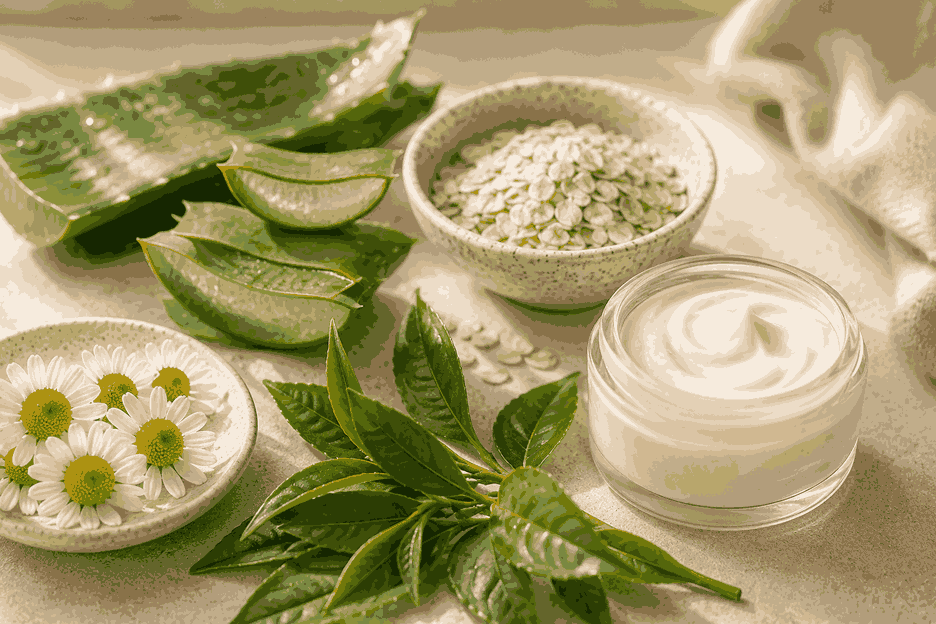
When choosing anti-inflammatory ingredients for creams, don’t just look at the front label. “Calming” and “soothing” can sound nice, but the ingredient list tells the real story.
Here are some ingredients worth knowing.
1. Colloidal Oatmeal
Colloidal oatmeal is one of those classic soothing ingredients that still deserves attention. It helps dry, itchy, irritated skin feel more comfortable and supports the skin barrier.
It’s especially useful in creams for sensitive skin, dry patches, and eczema-prone skin. Simple. Old-school. But effective.
2. Niacinamide
Niacinamide is popular for a reason. It can help support the skin barrier, calm redness, improve uneven tone, and reduce the look of irritation. For many people, it’s one of the best ingredients in anti inflammatory skin care.
But use it carefully. Some people react to high percentages. A gentle 2% to 5% niacinamide product may feel better than a strong 10% serum if your skin is already irritated.
3. Azelaic Acid
Azelaic acid is a great option for people dealing with redness, bumps, acne marks, or rosacea-prone skin. It’s often considered gentler than many other actives, though it can still sting at first.
Start slowly. Maybe two or three nights a week. And always moisturize.
4. Centella Asiatica
Centella, also called cica, is common in Korean skin care. It’s used in many calming creams and serums for sensitive skin. If your face feels hot, red, or over-exfoliated, centella-based creams can feel comforting.
Not always a miracle. But nice.
5. Aloe Vera
Aloe vera has that cool, fresh feeling people love. It’s often used in after-sun products and calming gels. Still, choose a fragrance-free aloe product if your skin is sensitive. Some aloe gels are packed with perfume and alcohol, which defeats the whole purpose.
6. Green Tea
Green tea is a gentle antioxidant ingredient that can be helpful in anti inflammation skin care. It’s usually found in serums, toners, and moisturizers. It works well for people who want calming benefits without a heavy cream texture.
7. Ceramides
Ceramides don’t sound exciting, but they’re important. They help support your skin barrier, which is basically your skin’s defense wall. When that wall is weak, irritation gets worse.
A ceramide cream can be one of the best anti inflammatory face cream choices for dry, sensitive, or compromised skin.
8. Panthenol
Panthenol, also known as provitamin B5, is a soothing and hydrating ingredient. It’s common in barrier creams and recovery moisturizers. If your skin feels tight after cleansing, panthenol can be your friend.
Best Anti Inflammatory Face Cream: What Should It Have?
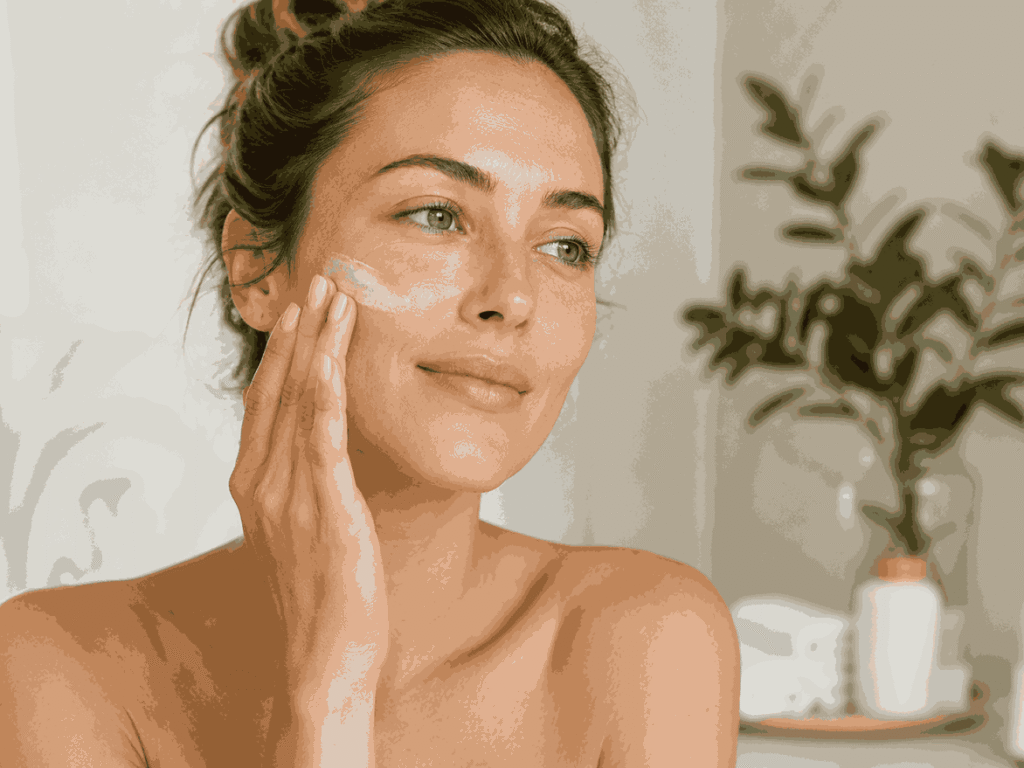
The best anti inflammatory face cream should do three things:
- Add moisture
- Reduce the feeling of irritation
- Support your skin barrier
Look for words like:
- Fragrance-free
- Sensitive skin
- Non-comedogenic
- Barrier repair
- Ceramide cream
- Dermatologist-tested
- Mineral SPF, if it’s a day cream
A good anti inflammatory face cream doesn’t need to smell like roses or feel fancy. Sometimes the plain white tube is better than the luxury jar with perfume.
And yes, packaging matters too. Airless pumps or tubes are often better than open jars because they keep the formula cleaner and more stable.
A Simple Anti Inflammation Skin Care Routine
If your skin is inflamed, don’t attack it with too many products. Go slow. Let your skin breathe a little.
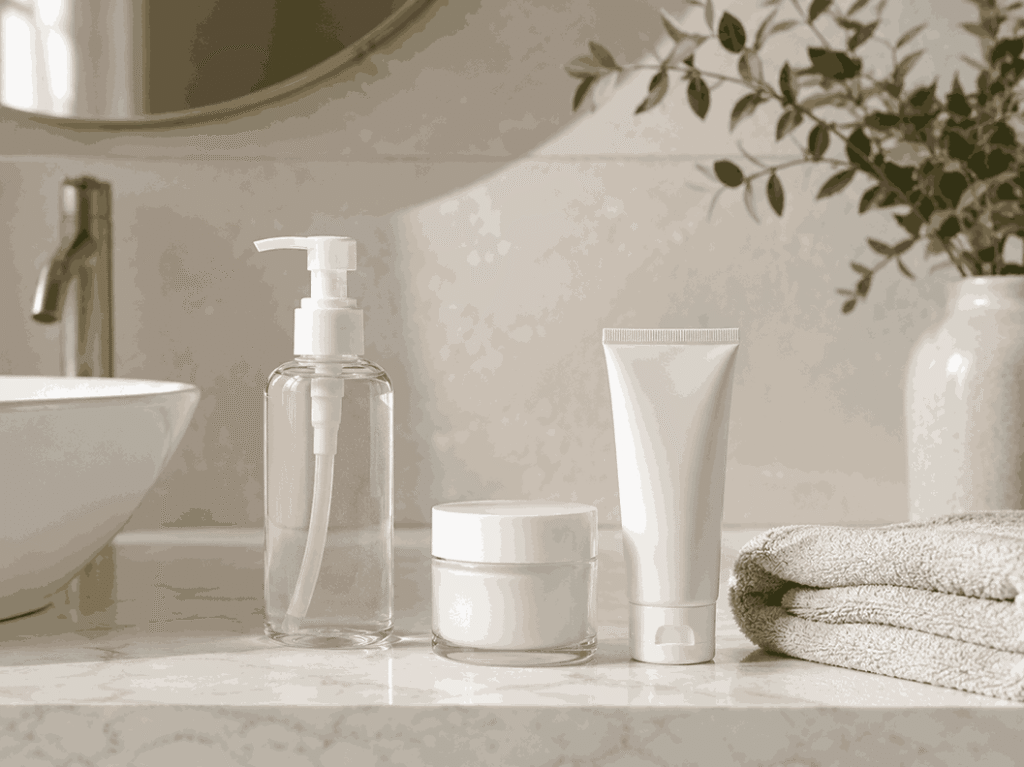
Morning Routine
- Gentle cleanser
Use a non-stripping cleanser. If your skin is very dry, you may even rinse with water only. - Calming serum
Choose niacinamide, green tea, centella, or panthenol. Just one serum is enough. - Anti inflammatory face cream
Pick a cream with ceramides, colloidal oatmeal, or squalane. - Sunscreen
Use SPF 30 or higher. Mineral sunscreen with zinc oxide can be a good choice for redness-prone skin.
Night Routine
- Cleanser
Remove sunscreen and dirt gently. No scrubbing. - Treatment, only if tolerated
This could be azelaic acid or a mild calming serum. Don’t use strong acids if your skin is burning. - Moisturizer
Apply a barrier-supporting cream. - Optional balm
If your skin is flaky, apply a tiny amount of balm on dry spots. Not the whole face if you’re acne-prone.
That’s it. Boring routine, calm skin.
What to Avoid When Your Skin Is Inflamed
This part matters a lot. Because sometimes the “bad product” isn’t bad for everyone — it’s just bad for your skin right now.
Avoid or reduce:
- Fragrance and essential oils
- Alcohol-heavy toners
- Physical scrubs
- Strong peeling solutions
- Too much retinol
- Multiple acids in one routine
- Hot water
- Harsh foaming cleansers
- Lemon, baking soda, toothpaste, and other DIY hacks
- Trying five new products in one week
But especially avoid the mindset that burning means working.
Burning usually means your skin is not happy. Simple as that.
How to Choose the Best Anti Inflammatory Skin Care Products for Your Skin Type
Different skin types need different textures. A rich cream may be perfect for dry skin, but too heavy for oily acne-prone skin.
Dry Skin
Choose creams with:
- Ceramides
- Shea butter
- Glycerin
- Squalane
- Colloidal oatmeal
Dry skin usually loves thicker creams. And applying moisturizer while skin is slightly damp can help.
Oily or Acne-Prone Skin
Choose lightweight formulas with:
- Niacinamide
- Green tea
- Azelaic acid
- Gel-cream texture
- Non-comedogenic label
Don’t skip moisturizer just because your skin is oily. Dehydrated oily skin can become more irritated.
Sensitive Skin
Choose very simple formulas.
Look for:
- Fragrance-free
- Few active ingredients
- Ceramides
- Panthenol
- Centella
- Mineral sunscreen
Patch test first. Always. Especially if your skin reacts easily.
Mature Skin
Choose barrier-supporting creams with:
- Ceramides
- Peptides
- Antioxidants
- Glycerin
- Gentle retinol only when skin is calm
If your skin is inflamed, pause strong anti-aging products for a bit. Your skin barrier comes first.
Are Natural Anti Inflammatory Skin Care Products Better?
Not always.
Natural ingredients can be lovely, but natural doesn’t automatically mean gentle. Essential oils, citrus extracts, and strong botanical fragrances can irritate sensitive skin.
Aloe, colloidal oatmeal, green tea, and centella can be great. But lavender oil, lemon oil, and peppermint oil? Not the best idea for an angry face.
So instead of asking “Is it natural?” ask:
“Is it gentle for my skin?”
That question helps more.
How Long Do Anti Inflammatory Skin Care Products Take to Work?
Some products can feel soothing right away. A good cream may reduce tightness within minutes. But visible redness, texture, and barrier repair can take longer.
A realistic timeline:
- Immediately: Skin feels less tight or dry
- 3–7 days: Less stinging, better comfort
- 2–4 weeks: Redness may look calmer
- 6–8 weeks: More visible improvement in texture and barrier strength
But if your skin gets worse, stop. Don’t force it.
Common Mistakes People Make
A lot of people buy the best anti inflammatory skin care products, then accidentally ruin the routine by adding too much.
Common mistakes include:
- Using azelaic acid every night from day one
- Applying retinol on irritated skin
- Mixing vitamin C, acids, and retinol together
- Using a cleanser that leaves skin squeaky clean
- Skipping sunscreen
- Choosing “unscented” instead of fragrance-free
- Not patch testing
- Giving up after two days
Skin care needs patience. Annoying, but true.
Quick Buying Checklist
Before buying any anti inflammatory skin care product, check this:
- Is it fragrance-free?
- Is it made for sensitive skin?
- Does it contain barrier-supporting ingredients?
- Is the texture right for my skin type?
- Does it avoid harsh alcohol and strong exfoliants?
- Can I use it with my current routine?
- Have I patch tested it?
And if you enjoy simple beauty tips beyond skin care, you can also explore our acrylic nails ideas for more everyday inspiration.
Best Product Types to Add First
If you don’t know where to start, don’t buy everything. Start with these three:
- Gentle cleanser
Because harsh cleansing can keep irritation going. - Barrier cream
A good moisturizer is the heart of anti inflammatory skin care. - Sunscreen
Sun exposure can make redness and inflammation worse.
After that, you can add a calming serum or azelaic acid product if needed.
Final Thoughts
Anti inflammatory skin care products are not just for people with serious skin problems. They’re useful for anyone whose skin feels red, dry, reactive, itchy, or tired from too many products.
The best approach is simple: gentle cleanser, calming moisturizer, sunscreen, and one treatment at a time.
No drama. No 15-step routine. No burning face.
Choose ingredients like colloidal oatmeal, niacinamide, ceramides, panthenol, centella, aloe vera, green tea, and azelaic acid. Avoid fragrance, harsh scrubs, and over-exfoliation. And give your skin time to calm down.
Because healthy skin doesn’t always look “perfect.”
Sometimes it just feels comfortable again. And honestly, that’s the real glow.
FAQs
What are the best anti inflammatory skin care products?
The best anti inflammatory skin care products are gentle cleansers, barrier creams, calming serums, mineral sunscreens, and treatments with ingredients like niacinamide, azelaic acid, colloidal oatmeal, ceramides, centella, and panthenol.
What is the best anti inflammatory face cream?
The best anti inflammatory face cream is usually fragrance-free, non-comedogenic, and made with barrier-supporting ingredients like ceramides, glycerin, colloidal oatmeal, panthenol, or squalane.
Is anti inflammation skin care good for acne?
Yes, anti inflammation skin care can help acne-prone skin feel calmer, especially when acne products are making the skin dry or irritated. Azelaic acid and niacinamide are common options for acne-related redness.
Can I use anti inflammatory skin care every day?
Yes, gentle anti inflammatory skin care products like moisturizers, cleansers, and sunscreen can usually be used daily. Stronger treatments like azelaic acid should be introduced slowly.
Which ingredients should I avoid for inflamed skin?
Avoid fragrance, essential oils, harsh scrubs, alcohol-heavy toners, strong peeling acids, and too many active ingredients at once. If a product burns badly, it may not be right for your skin.