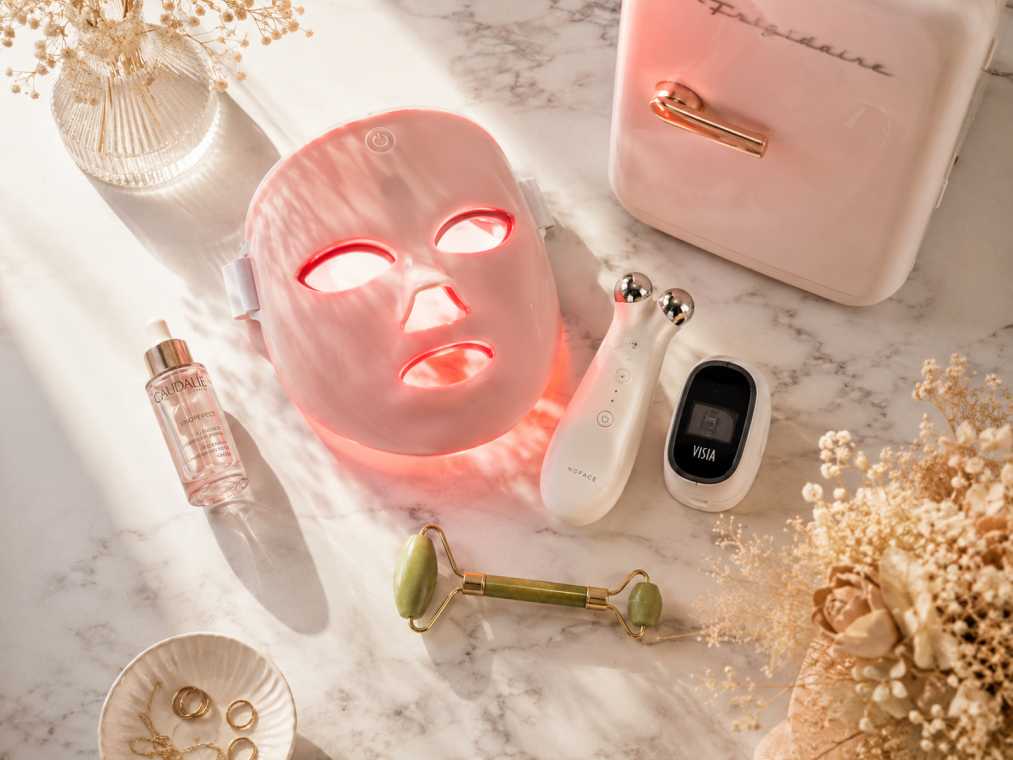
Smart Home Devices Skincare Tips: 14 Ways to Get Spa Results at Home
Smart Home Devices Skincare tips can help you upgrade your skincare routine without always booking expensive salon treatments. From LED therapy masks and microcurrent wands to smart humidifiers, AI skin analyzers, and beauty fridges, these tools make it easier to get spa-like results at home when used correctly.
Your skincare routine deserves a serious upgrade.
Not the kind where you buy another serum or try a new cleanser. The kind where the tools you use at home actually start doing what salon treatments used to charge you hundreds of dollars for.
Smart home devices have completely changed what’s possible in a home skincare routine. LED therapy masks, microcurrent wands, smart humidifiers, AI skin analyzers — these aren’t gimmicks anymore. They’re backed by clinical research, used by dermatologists, and increasingly accessible to anyone who wants results without leaving their house.
But here’s the thing nobody tells you: having the device is only half the equation. Knowing how to use it, when to use it, and what to pair it with is what separates people who get real results from people whose gadgets end up in a drawer after two weeks.
This guide covers the best smart home devices and skincare tips—what works, how to use each device correctly, and how to build them into a routine that actually delivers.
If you enjoy upgrading your at-home beauty routine, you may also like this guide on using an acrylic nail kit for beginners to create salon-style nails at home.
Why Smart Home Devices Skincare Tips Actually Work Now
Ten years ago, at-home skincare devices were largely underpowered versions of professional tools. They looked good in photos but rarely delivered clinical results.
That’s changed significantly.
According to research published in the National Institutes of Health, home-based dermatology devices have advanced to the point where many now deliver measurable outcomes in collagen stimulation, acne reduction, and skin barrier improvement when used consistently and correctly. The key phrase there is consistently and correctly, which is exactly what this guide is about.
The best devices of 2025 include tools like the Foreo Bear for microcurrent anti-aging, Neutrogena Skin360 for AI skin analysis, and L’Oréal Perso for personalized product formulation. Red light therapy currently ranks as the top at-home anti-aging device, followed closely by microcurrent and hydrofacial tools.
Let’s break down each category and how to use them properly.
1. LED Light Therapy Mask
What it does: LED masks use specific wavelengths of light to trigger biological responses in the skin. Red light (630-700nm) stimulates collagen production and reduces fine lines. Blue light (415nm) kills acne-causing bacteria. Near-infrared light penetrates deeper to reduce inflammation.
Skincare tip: Use red light for anti-aging three to five times per week for 10-20 minutes. Use blue light for active breakouts two to three times per week. Never use both modes on the same session without a break — let your skin process one stimulus at a time.
What to pair it with: Apply a hydrating serum before your LED session. The light enhances product absorption, so this is the time to use your best actives. Vitamin C serum before red light is a particularly effective combination for brightening and collagen support.
Avoid: Using LED therapy immediately after chemical exfoliation or retinol application — the combination can cause irritation on sensitive skin.
2. Microcurrent Wand or Device
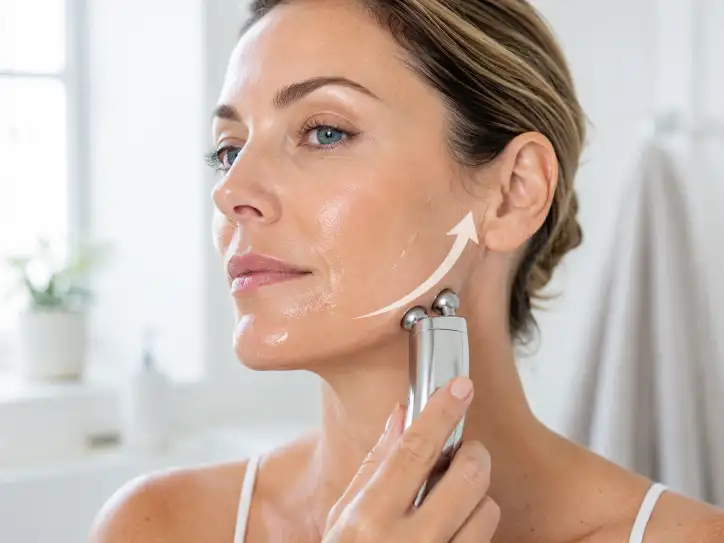
What it does: Microcurrent devices send low-level electrical currents through facial muscles, stimulating them the way exercise stimulates body muscles. The result is a lifted, firmer, more sculpted facial appearance over time. Think of it as a facial workout.
Skincare tip: Always use a water-based conductive gel or serum before running a microcurrent device across your face. Without it, the current doesn’t travel properly and the device is significantly less effective. Most brands sell their own gel, but any water-based serum with good slip works.
How to use it: Work in upward lifting motions, always moving from the jawline up toward the hairline, from the chin toward the ear, from the brow upward. Going downward works against the lifting effect. Start with three sessions per week, then maintain with two once you see results.
Best device in this category: NuFACE TRINITY+ connects to a companion app that provides guided, clinical-grade routines — one of the better smart device integrations currently available.
3. Smart Skin Analyzer
What it does: AI-powered skin analysis tools use a combination of high-resolution imaging and machine learning to assess your skin’s hydration levels, pore size, pigmentation, wrinkle depth, and overall health. Some connect to apps that track changes over time.
Skincare tip: Use your analyzer at the same time of day, in the same lighting, for consistent results. Morning analysis before any products gives you your skin’s true baseline. Evening analysis shows how your day affected it.
Why it matters: Most people are guessing when it comes to skincare. A smart analyzer removes the guesswork. If your skin is showing dehydration despite heavy moisturizer use, the problem might be your barrier — not your product. The data tells you where to focus.
What to do with the results: Use them to adjust your routine seasonally. Skin needs change between summer and winter, and what your analyzer tells you in December may be completely different from what it says in July.
4. Smart Humidifier
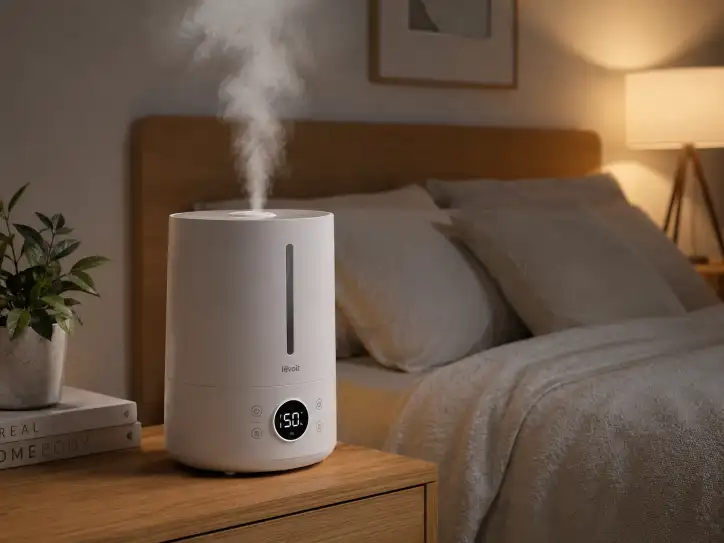
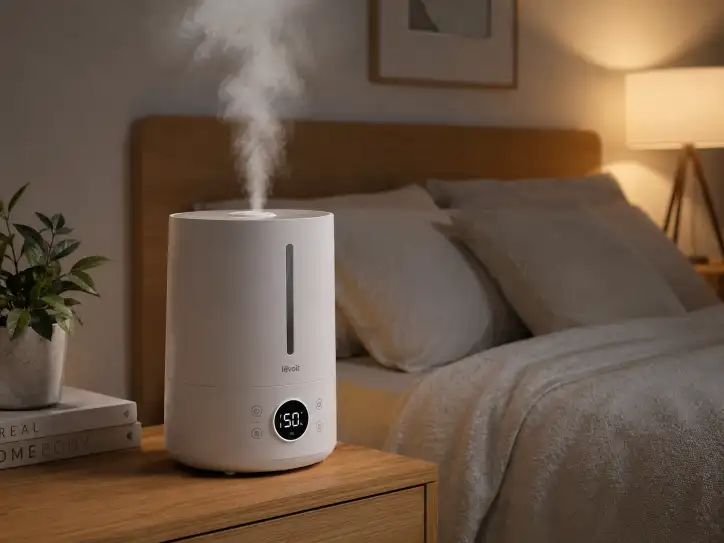
What it does: This one gets overlooked in every skincare device list, but it arguably does more for your skin than most active devices. A smart humidifier maintains optimal indoor humidity (ideally 40-60%), which directly impacts your skin’s moisture retention, barrier function, and overnight repair process.
Skincare tip: Place your humidifier in your bedroom and run it overnight. This is when your skin goes through its peak repair cycle, and a well-humidified sleeping environment supports that process significantly. Dry air — especially in winter or in air-conditioned spaces — pulls moisture directly out of your skin while you sleep.
Smart feature to use: Most smart humidifiers connect to apps and allow you to set automatic humidity targets. Set yours to maintain 50% humidity and let it adjust automatically rather than running at full blast.
Pair with: A hydrating overnight mask or sleeping pack. The humidifier keeps the product from evaporating off your skin overnight, making it dramatically more effective.
5. Sonic Cleansing Device
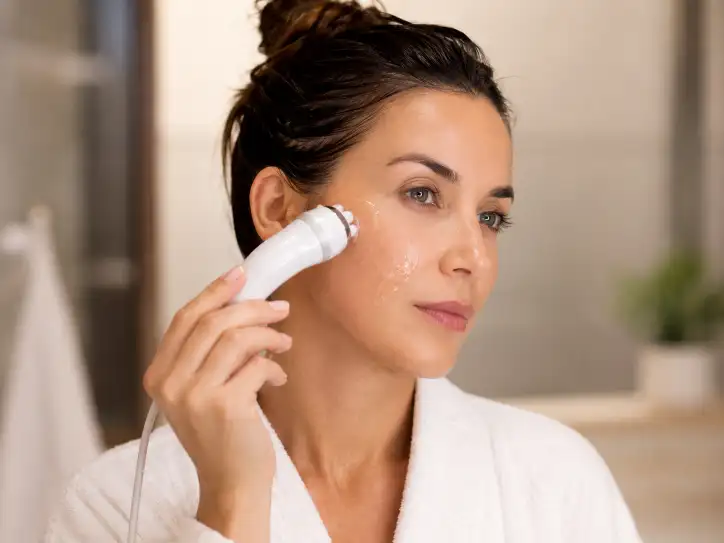
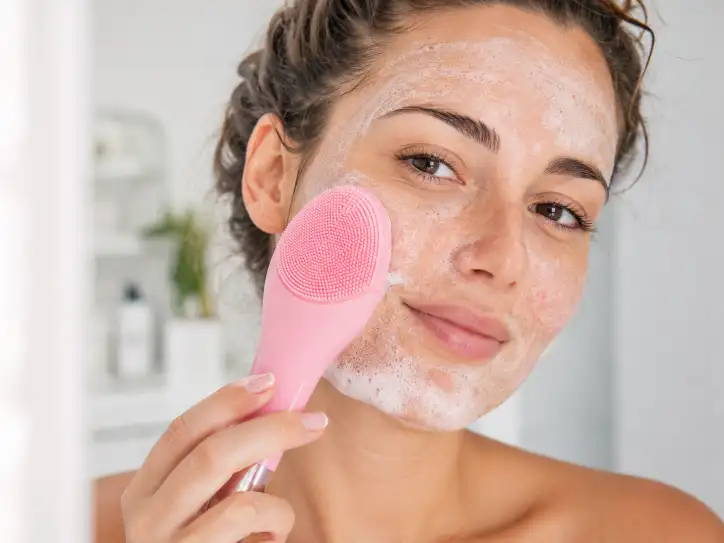
What it does: Sonic cleansing brushes use high-frequency vibration (rather than physical scrubbing) to dislodge dirt, oil, and makeup from pores more thoroughly than manual cleansing. The vibration also provides a gentle massage effect that improves circulation.
Skincare tip: Use your sonic cleanser for no more than 60 seconds per session, maximum once per day. Over-cleansing is a real and common problem — it strips the skin’s acid mantle and creates a cycle of excess oil production and sensitivity.
Critical warning: Avoid mechanical pore suction devices entirely if you have sensitive skin or visible capillaries. Research from dermatologists consistently warns that harsh suction devices can permanently damage the skin barrier and cause broken capillaries that are very difficult to treat.
Best use case: Double cleansing at night. Use your hands for the first cleanse to remove makeup and sunscreen, then use your sonic device for the second cleanse to get into pores.
6. Radiofrequency (RF) Skin Tightening Device
What it does: RF devices deliver heat energy deep into the dermis, stimulating collagen and elastin production. The results are gradual — most users see significant improvement after six to eight consistent weeks — but they’re real and measurable.
Skincare tip: RF is most effective when used with a conductive gel, just like microcurrent. Apply gentle pressure and move in slow, overlapping passes. Don’t stay in one spot — heat buildup can cause irritation.
Who it’s best for: People in their 30s and 40s dealing with early skin laxity, loss of jawline definition, or deepening nasolabial folds. RF addresses the collagen layer that topical products simply can’t reach.
Frequency: Two to three times per week for the first month, then once or twice weekly for maintenance.
7. Smart Mirror with Skin Analysis
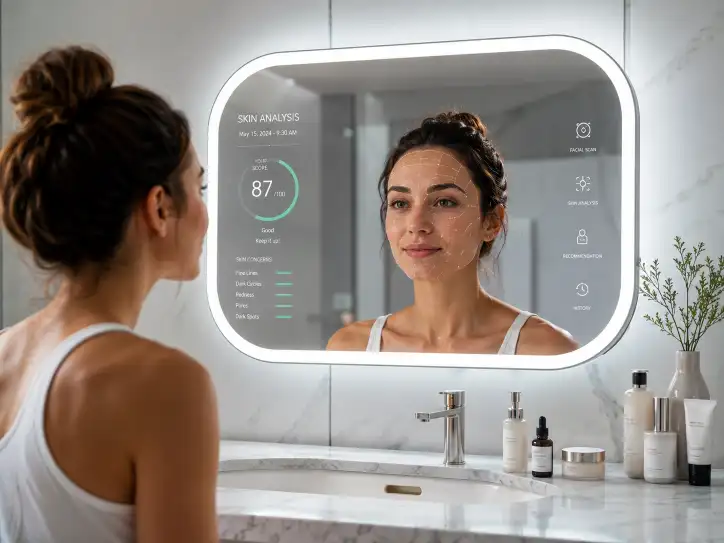
What it does: Smart mirrors with built-in cameras and lighting combine the function of a skin analyzer with a regular mirror. Some models track skin changes over time, suggest products based on current skin condition, and provide guided routines in real time.
Skincare tip: Use consistent lighting settings every time you use the analysis feature. Variable lighting skews results. Most smart mirrors have a dedicated “skin analysis” mode with standardized lighting for this reason — use it.
The real value: It creates a visual record of your skin’s progress. This matters more than most people realize. Skincare results are slow and incremental, and without documentation, it’s easy to forget how your skin looked three months ago. Seeing the actual progression keeps you consistent.
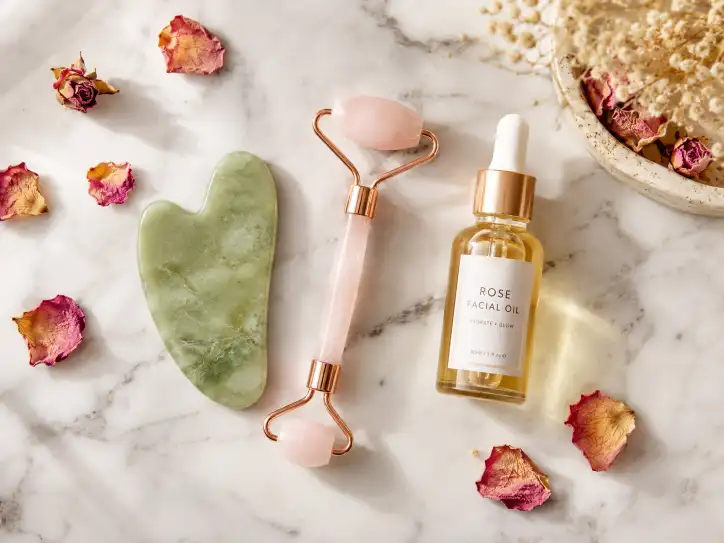
8. Gua Sha or Smart Facial Roller (Heated/Vibrating)
What it does: Traditional gua sha and facial rollers have been used for centuries, but modern smart versions add vibration, heat, or microcurrent to amplify the lymphatic drainage and circulation benefits.
Skincare tip: Always use a facial oil or serum underneath — never drag any tool across dry skin. Work in upward and outward motions to encourage lymphatic drainage toward the lymph nodes at the sides of the neck.
Best time to use: Morning, to de-puff and wake up circulation. The massage effect helps reduce overnight water retention, which is why your face can look visibly more defined after a morning rolling session.
Temperature tip: A chilled roller (store it in your mini fridge) is excellent for morning puffiness. A heated version works better in the evening for product absorption and muscle relaxation.
9. At-Home Hydrafacial or Aqua Peel Device
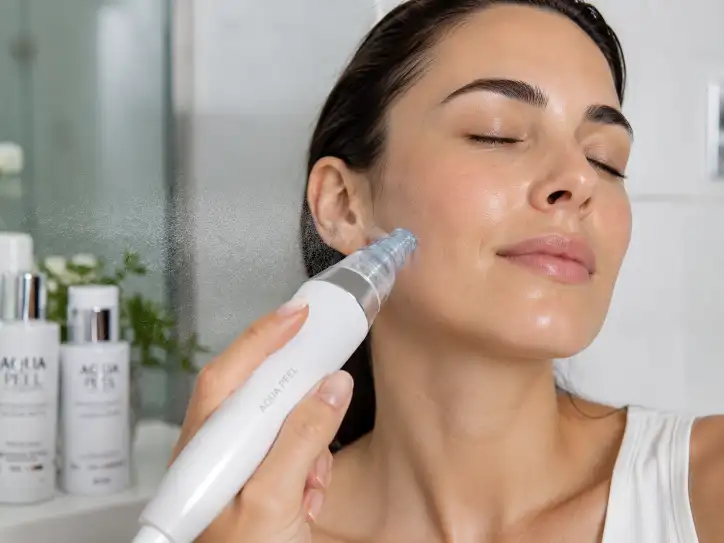
What it does: Consumer versions of professional hydrafacial machines use a combination of gentle suction and infusion to simultaneously exfoliate, extract, and hydrate the skin. They remove dead skin cells and draw out congestion while delivering serums deeper than topical application.
Skincare tip: Use this device no more than once every two weeks. More frequent use can sensitize the skin. After your session, apply only gentle, hydrating products — no actives for at least 24 hours.
What to use in the serum tip: Hyaluronic acid solutions or vitamin C serums work best in infusion devices. Avoid anything with AHAs or BHAs in the solution reservoir — they’re not necessary and can irritate freshly exfoliated skin.
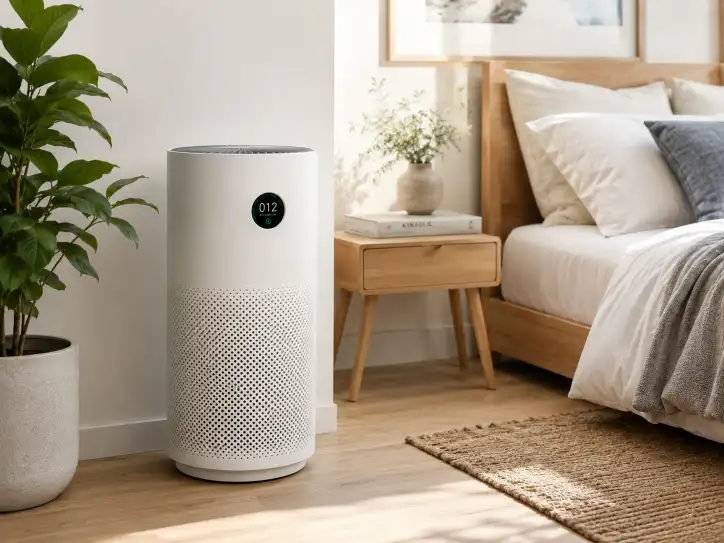
10. Smart Air Purifier
What it does: Indoor air quality has a direct impact on skin health that most people underestimate. Pollution particles, VOCs from household products, and allergens contribute to oxidative stress, inflammation, and accelerated skin aging.
Skincare tip: Place a HEPA air purifier in your bedroom and run it continuously. Your skin spends eight or more hours per night in that environment — clean air during sleep supports the overnight barrier repair process.
The data: Research increasingly links long-term exposure to indoor air pollution with hyperpigmentation, premature aging, and inflammatory skin conditions. A smart purifier that monitors air quality in real time lets you know when your environment needs attention.
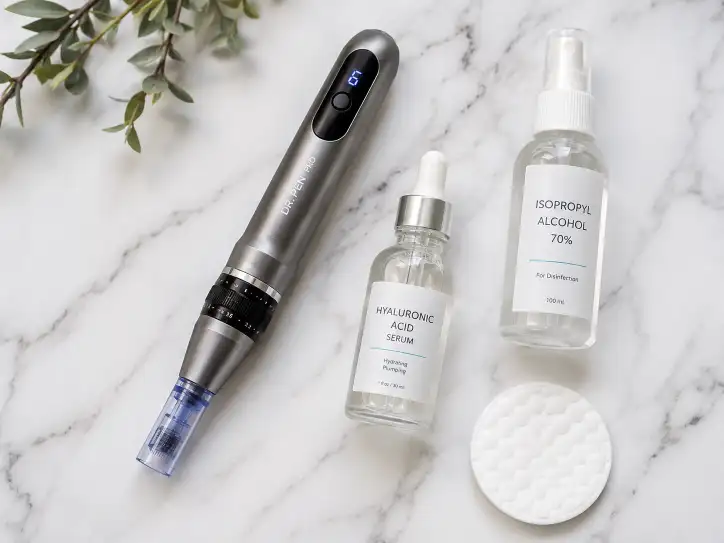
11. Microneedling Device (Derma Roller or Pen)
What it does: Microneedling creates tiny controlled punctures in the skin that trigger the body’s healing response — increased collagen production, improved texture, reduced scarring and hyperpigmentation. Home devices use shorter needles (0.2-0.5mm) than professional treatments.
Skincare tip: Hygiene is non-negotiable with microneedling. Sanitize your device with 70% isopropyl alcohol before and after every single use. Never share devices. Replace needle cartridges every three to five uses.
Critical warning: Home microneedling requires proper technique to avoid skin damage. Start with the shortest needle length and lowest frequency. Once per week maximum. Do not use on active acne, open wounds, or inflamed skin.
What to apply after: Hyaluronic acid serum immediately post-treatment — the micro-channels created by the needles allow significantly deeper product penetration for 30-60 minutes after treatment.
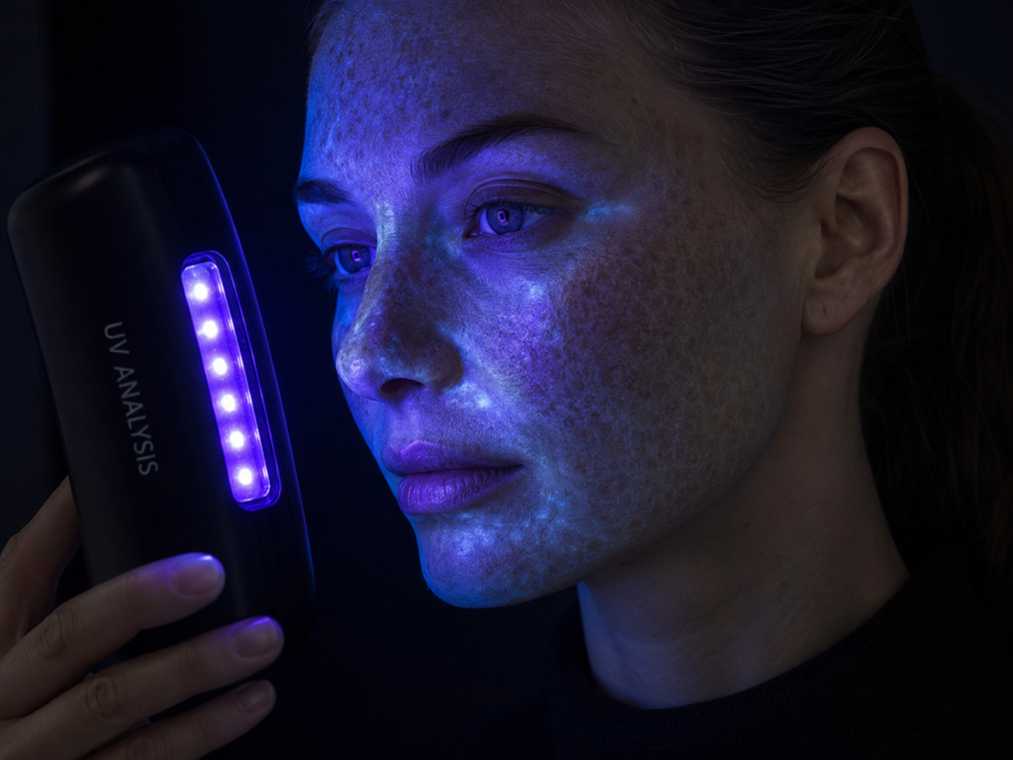
12. UV/Skin Tone Analyzer Lamp
What it does: UV analysis lamps reveal sun damage, pigmentation, and bacterial presence on the skin that’s invisible to the naked eye under normal light. Sunspots that haven’t surfaced yet, dehydration patterns, and areas of congestion all show up clearly under UV.
Skincare tip: Use UV analysis once a month as a skin audit. It shows you where your sunscreen application is missing spots (a genuinely humbling exercise) and helps you identify developing pigmentation before it becomes visible.
The sunscreen revelation: UV lamps reveal exactly how uneven most people’s sunscreen application is. This single exercise — looking at your face under a UV lamp after applying SPF — is often enough to permanently change someone’s sunscreen habits.
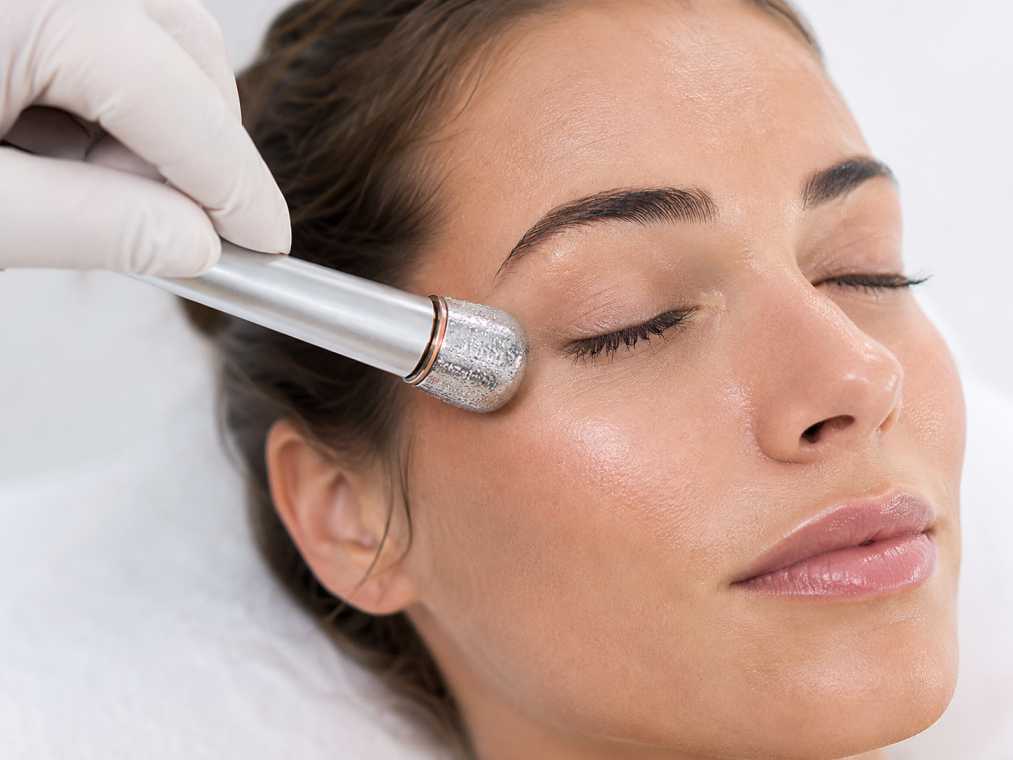
13. Cryotherapy Facial Wand (Ice Roller Alternative)
What it does: Smart cryotherapy wands deliver controlled cold to the skin surface, immediately reducing inflammation, tightening pores, and de-puffing. Some models maintain a precise temperature rather than just using passive cold from ice.
Skincare tip: Use immediately after any active treatment — such as red light therapy, microneedling, or exfoliation — to calm the skin and close pores. It’s an excellent final step in any treatment session.
The science: Cold temperatures constrict blood vessels and lymphatic vessels, reducing redness and swelling rapidly. For anyone dealing with rosacea flare-ups or post-treatment redness, a cryotherapy wand is one of the most immediately effective tools available.
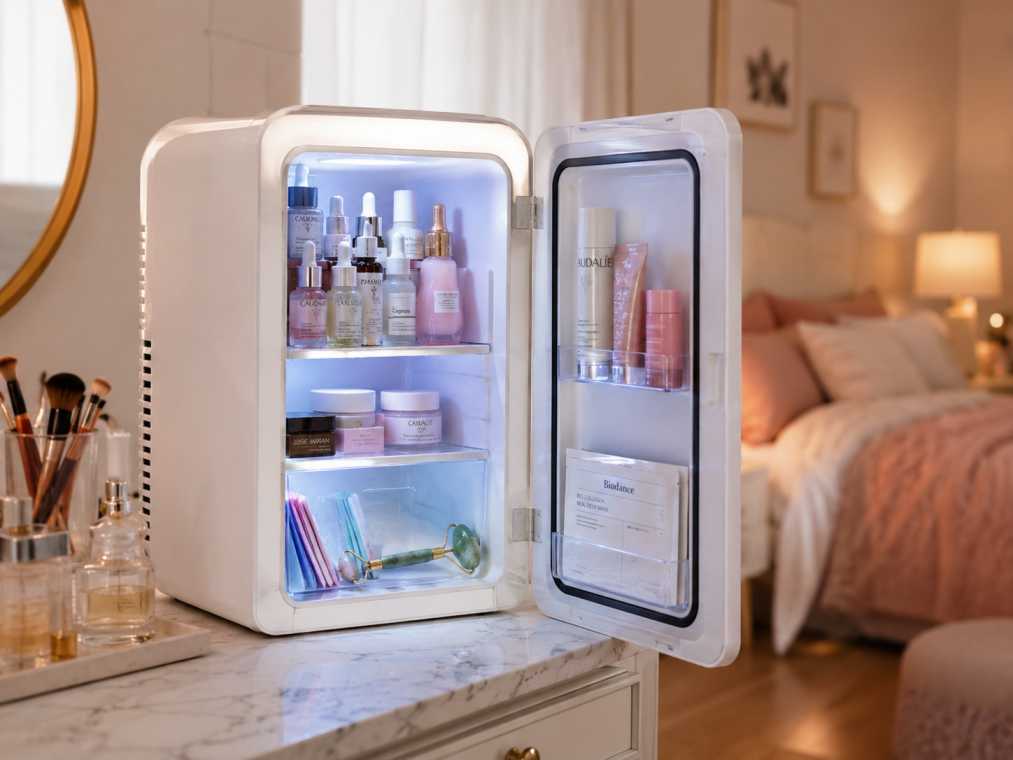
14. Smart Beauty Fridge (Skincare Mini Fridge)
What it does: Keeping certain skincare products refrigerated extends their efficacy and creates sensory benefits that enhance the skincare experience. Vitamin C serums, eye creams, sheet masks, and natural products all benefit from cold storage.
Skincare tip: Keep your jade roller, gua sha, and eye cream in your beauty fridge. Cold eye cream applied in the morning with a chilled roller reduces puffiness dramatically more than room-temperature products.
What belongs in a skincare fridge: Vitamin C serums (cold slows oxidation), sheet masks, eye creams, aloe vera gel, and any product with probiotics or natural preservatives. Do not refrigerate oil-based products — cold causes them to solidify and separate.
How to Build a Smart Device Skincare Routine
Having multiple devices is only useful if you’re using them in the right order and at the right frequency. Here’s a simple framework:
Morning routine:
- Sonic cleanse (60 seconds)
- Smart skin analyzer reading (weekly)
- Chilled gua sha or ice roller (5 minutes)
- Serum application
- Moisturizer + SPF
Evening routine:
- Double cleanse — hands first, sonic device second
- LED red light therapy (3-5x per week, 10-20 min)
- Microcurrent wand (3x per week, after LED)
- Hydrating serum and overnight mask
- Humidifier on overnight
Weekly treatments:
- Aqua peel or hydrafacial device — once every two weeks
- Microneedling — once per week maximum
- RF device — two to three times per week
- UV analysis lamp — once per month
Frequently Asked Questions
What are the best smart home devices for skincare?
The highest-performing at-home devices currently include red light LED therapy masks, microcurrent devices like NuFACE, RF skin tightening tools, sonic cleansers, and smart humidifiers. Red light therapy ranks highest for anti-aging results, followed by microcurrent for lifting and sculpting.
How often should I use skincare devices at home?
It depends on the device. LED therapy can be used daily. Microcurrent three to five times per week. RF two to three times per week. Microneedling once per week maximum. Aqua peel once every two weeks. Overusing any device — especially exfoliating or energy-based tools — can damage the skin barrier.
Can smart home devices replace professional salon treatments?
For maintenance and prevention, yes — consistent home device use can significantly reduce how often you need professional treatments. For deep correction of established concerns like severe laxity, deep scarring, or intense pigmentation, professional treatments still deliver stronger results. The two approaches work best together.
What should I not do with at-home skincare devices?
Never use microneedling on active acne or broken skin. Avoid harsh pore suction devices if you have sensitive skin or visible capillaries. Don’t use LED therapy directly after retinol or chemical exfoliants. Always sanitize devices before and after use to prevent bacterial contamination.
Do smart skincare devices work for all skin tones?
Most do, but with caveats. LED therapy works across all skin tones. Microcurrent and RF are generally safe for all tones. However, some RF and laser-based devices require caution on deeper skin tones as they can cause hyperpigmentation if not calibrated correctly — always check manufacturer guidance for your skin tone before purchasing.
Final Thoughts
Smart home devices have made professional-grade skincare results genuinely achievable without leaving your house.
But the devices are only as good as the habits around them. Using the right tool for the right concern, at the right frequency, with the right products — that’s what separates a routine that delivers results from a collection of expensive gadgets that don’t get used.
Start with one or two devices that address your primary skin concern. Build the habit of using them consistently. Add more tools as your routine becomes stable.
Your skin doesn’t need everything at once. It needs the right things, done well, done often.
And now, with the smart home devices and skincare tips in this guide, you have exactly what you need to get there.