Basement Kitchen Ideas: Smart, Cozy, and Practical Designs for Every Home
Basement kitchen ideas can completely change the way you use the lower level of your home.
A basement doesn’t have to be just a storage area, laundry corner, or that “extra space” no one really uses. With the right kitchen setup, it can become a cozy guest suite, an entertainment zone, a rental unit, a family hangout area, or even a small second kitchen for busy homes.
And honestly… a basement kitchen can feel really beautiful when it’s planned well.
The main thing is balance. You need style, yes, but you also need practical details like lighting, ventilation, moisture control, storage, and easy-to-clean materials. Since basements usually have less natural light and lower ceilings, every design decision matters a little more.
So if you’re planning a full basement kitchen or just a small basement kitchenette, these basement kitchen ideas will help you create a space that feels warm, useful, and not dark or cramped.
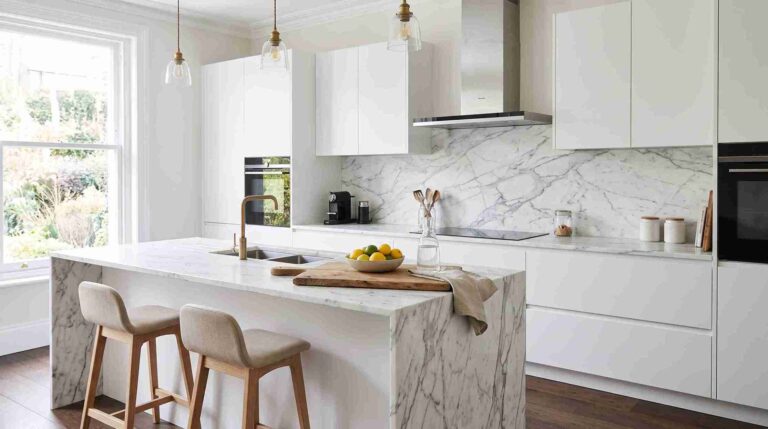
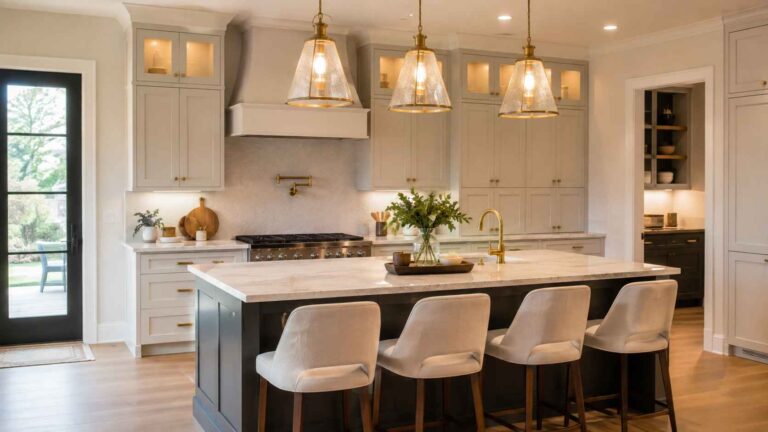
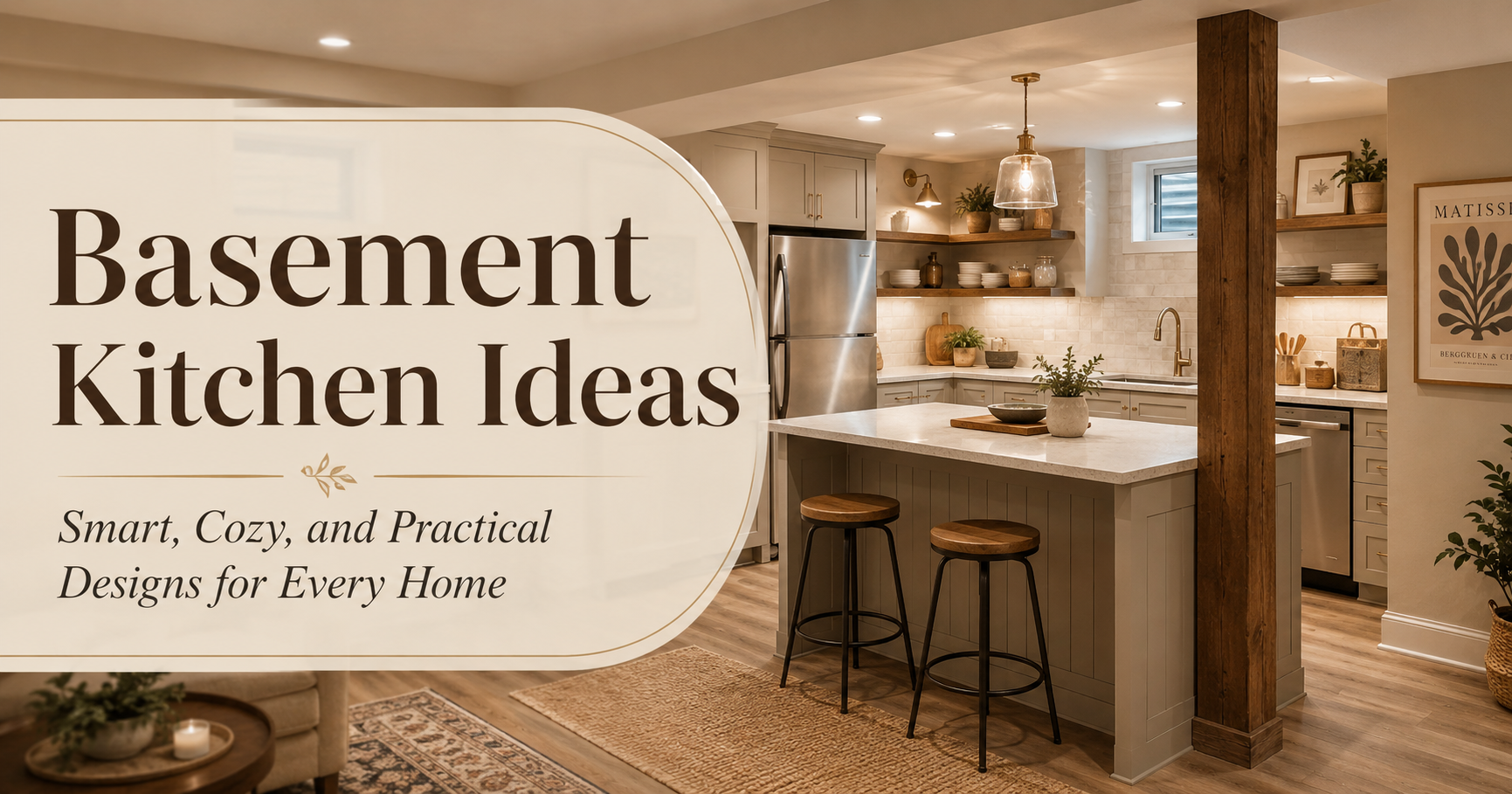
Compact pendant lights and layered lighting can make a basement kitchen island feel brighter and less enclosed.
Why Add a Kitchen to Your Basement?
A basement kitchen is not only about cooking. It’s about making the space more independent and comfortable.
You can use it for:
- A guest suite
- A rental basement apartment
- A family movie room
- A home bar and snack area
- A second kitchen for parties
- A cozy entertainment space
- A private space for teenagers or extended family
A basement kitchen also adds convenience. No one wants to run upstairs every time they need water, snacks, coffee, or plates during a movie night. Small thing, but it makes a difference.
Basement Kitchen Ideas Quick Planning Table
Before choosing cabinets or tiles, it’s better to understand what kind of basement kitchen you actually need.
| Basement Kitchen Type | Best For | Main Features |
|---|---|---|
| Small Kitchenette | Guest room, office, small basement | Mini fridge, sink, microwave, open shelves |
| Full Basement Kitchen | Rental unit or large basement | Stove, oven, fridge, cabinets, dining area |
| Wet Bar Style Kitchen | Entertainment area | Sink, beverage fridge, counter space |
| Single-Wall Kitchen | Narrow basements | All appliances and cabinets on one wall |
| L-Shaped Kitchen | Medium spaces | Better counter space and storage |
| Open Kitchen + Lounge | Family basement | Kitchen connected with seating area |
This table helps because not every basement needs a large kitchen. Sometimes a smart kitchenette is more than enough.
1. Choose a Layout That Fits the Basement
The layout is the first thing to plan.
Basements are often a bit tricky. There may be support columns, low ceilings, awkward corners, or limited plumbing access. So instead of forcing a big kitchen design, choose a layout that works with the space.
A single-wall kitchen is great for small basements. It keeps everything simple: sink, fridge, cabinets, and microwave or stovetop in one line. It also keeps the room open.
An L-shaped basement kitchen gives more counter space and works well if you want a proper cooking area.
For larger basements, you can add a small island or dining table. But don’t overfill the room. Basement kitchens look better when there is enough walking space.
2. Use Light Colors to Open the Space
Most basements don’t get strong natural light. That’s why light colors are your best friend.
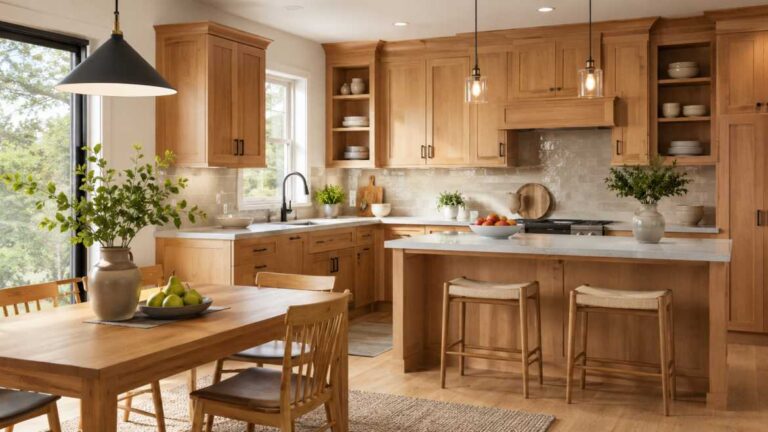
Soft white, cream, warm beige, pale gray, light oak, and muted sage can make a basement kitchen feel fresh and open. Dark cabinets can look stylish, yes, but if the basement is already small or dim, too much dark color may make it feel heavy.
A good combination can be the following:
- Cream cabinets with wood shelves
- White backsplash with light gray counters
- Warm beige walls with black hardware
- Light oak cabinets with stone countertops
- Soft green lower cabinets with white upper walls
And if you like moody design, use dark colors in small doses. Maybe a dark island, black handles, or a deep green backsplash. Not the whole room.
3. Add Layered Lighting
Lighting is one of the most important basement kitchen ideas. Really, it can make or break the whole design.
Since basements often lack windows, one ceiling light is not enough. You need layers.
Use:
- Recessed ceiling lights for overall brightness
- Under-cabinet lights for food prep
- Pendant lights over a small island or bar
- Wall sconces for warmth
- LED strip lights inside open shelves
Warm white lighting usually looks better than very cool white. Cool lighting can make a basement feel like an office or hospital… not cozy at all.
If your basement has even a small window, keep it clean and open. You can also get more inspiration from kitchen window ideas if you want to style a small basement window with curtains, plants, or simple trim.
4. Make Storage Smart, Not Bulky
Basement kitchens often have limited space, so storage should be smart.
Instead of adding huge cabinets everywhere, mix closed cabinets with open storage. Closed cabinets hide clutter, while open shelving keeps the space light and easy.
Some practical storage ideas:
- Floating shelves above the counter
- Tall pantry cabinet in one corner
- Pull-out drawers instead of deep cabinets
- Hooks for mugs and utensils
- Slim rolling cart beside the fridge
- Toe-kick drawers for flat items
- Wall-mounted spice racks
5. Pick Compact Appliances
For a basement kitchenette, you don’t always need full-size appliances. Compact appliances save space and still do the job.
Good options include:
- Mini fridge or under-counter fridge
- Two-burner cooktop
- Microwave drawer
- Compact dishwasher
- Small convection oven
- Beverage cooler
- Slim range hood
But if the basement kitchen is for a rental unit, you may need a more complete setup. In that case, choose apartment-size appliances. They look clean and don’t take over the whole room.
6. Don’t Forget Ventilation
This part is not as exciting as cabinets or tiles, but it’s very important.
Basements can hold smells and moisture more than upstairs kitchens. If you’re cooking downstairs, proper ventilation is a must. A range hood, exhaust fan, or good air circulation helps remove cooking smells and extra humidity.
Also, choose moisture-friendly materials where possible. Basements can sometimes feel damp, so avoid materials that easily swell or get damaged.
Better choices include:
- Quartz countertops
- Porcelain tile flooring
- Waterproof vinyl flooring
- Ceramic backsplash
- Moisture-resistant paint
- Sealed wood finishes
A beautiful basement kitchen should also stay practical for years.
7. Create a Cozy Bar or Coffee Corner
Not every basement kitchen needs to be a full cooking space. Sometimes a bar-style kitchen or coffee corner is more useful.
A small basement bar can include the following:
- Sink
- Mini fridge
- Coffee machine
- Open shelves
- Glass storage
- Snack drawer
- Counter seating
This is perfect for movie nights, game rooms, and family gatherings. Add two stools, soft lighting, and maybe a textured backsplash—simple, but it feels finished.
And honestly, a coffee corner in the basement just feels nice. Especially if the basement is used as a home office or guest space.
8. Use a Statement Backsplash
A backsplash can bring personality into a basement kitchen without making the whole room too busy.
Some good backsplash ideas are the following:
- White subway tile for a clean look
- Zellige-style tile for texture
- Marble-look tile for elegance
- Soft green tile for warmth
- Geometric tile for a modern touch
- Vertical tile to make walls look taller
If your basement ceiling is low, vertical tiles can help create the feeling of height. Small trick, but it works visually.
9. Keep the Countertops Clear
Basement kitchens can feel messy quickly if too many things sit on the counter. Try to keep only the essentials outside.
A clean counter makes the whole kitchen feel bigger.
Use drawer organizers, baskets, appliance garages, or shelves to keep things neat. You can also use trays for coffee items or snacks, so even the useful things look stylish.
A few decor pieces are enough:
- Small plant
- Wooden cutting board
- Ceramic bowl
- Simple lamp
- Framed wall art
- Glass jars
Don’t overdo it. Basement kitchens usually look better with calm, minimal styling.
10. Add Warm Materials
Because basements can feel cold, warm textures are important.
Use materials like:
- Wood shelves
- Rattan baskets
- Brass or black hardware
- Warm stone countertops
- Linen curtains
- Soft rugs
- Wooden stools
Even if your kitchen is modern, a little warmth makes it feel more inviting. A basement kitchen should not feel like a forgotten lower-level room. It should feel like part of the home.
11. Design for Multi-Use Living
Many basement kitchens are connected to another area — a sofa space, dining corner, office, or guest room. So design it as part of the whole basement, not as a separate, random kitchen.
Use similar colors and materials across the space. For example, if your basement lounge has beige walls and wood furniture, continue that warm wood tone in the kitchen shelves or cabinets.
This makes everything feel connected.
Basement Kitchen Ideas for Small Spaces
If your basement is small, focus on function first.
Try these small basement kitchen ideas:
- Use a single-wall layout
- Choose open shelves instead of heavy upper cabinets
- Use light cabinet colors
- Add under-cabinet lighting
- Pick compact appliances
- Keep the flooring continuous
- Use glass or glossy tile to reflect light
- Add a small round table instead of a large dining set
Small doesn’t mean boring. It just means every inch should work harder.
Common Basement Kitchen Mistakes to Avoid
Basement kitchen ideas can go wrong if they’re designed too quickly.
Avoid these mistakes:
- Using only one ceiling light
- Ignoring ventilation
- Choosing dark colors everywhere
- Forgetting moisture-resistant materials
- Adding oversized appliances
- Not planning enough outlets
- Blocking the only window
- Using too many open shelves with no closed storage
Plan slowly. Measure properly. And think about how the space will actually be used every day.
Final Thoughts
Basement kitchen ideas are all about making a lower-level space feel useful, warm, and comfortable.
You don’t need a huge budget to create nice basement kitchen ideas. Start with the layout, then lighting, storage, appliances, and finishes. Keep the design bright. Add warm textures. Use compact appliances if the space is small. And don’t forget the practical things like ventilation and moisture control.
A basement kitchen can be simple. It can be stylish. It can be tiny, even.
But when it’s planned well, it becomes one of the most useful spaces in the whole home.