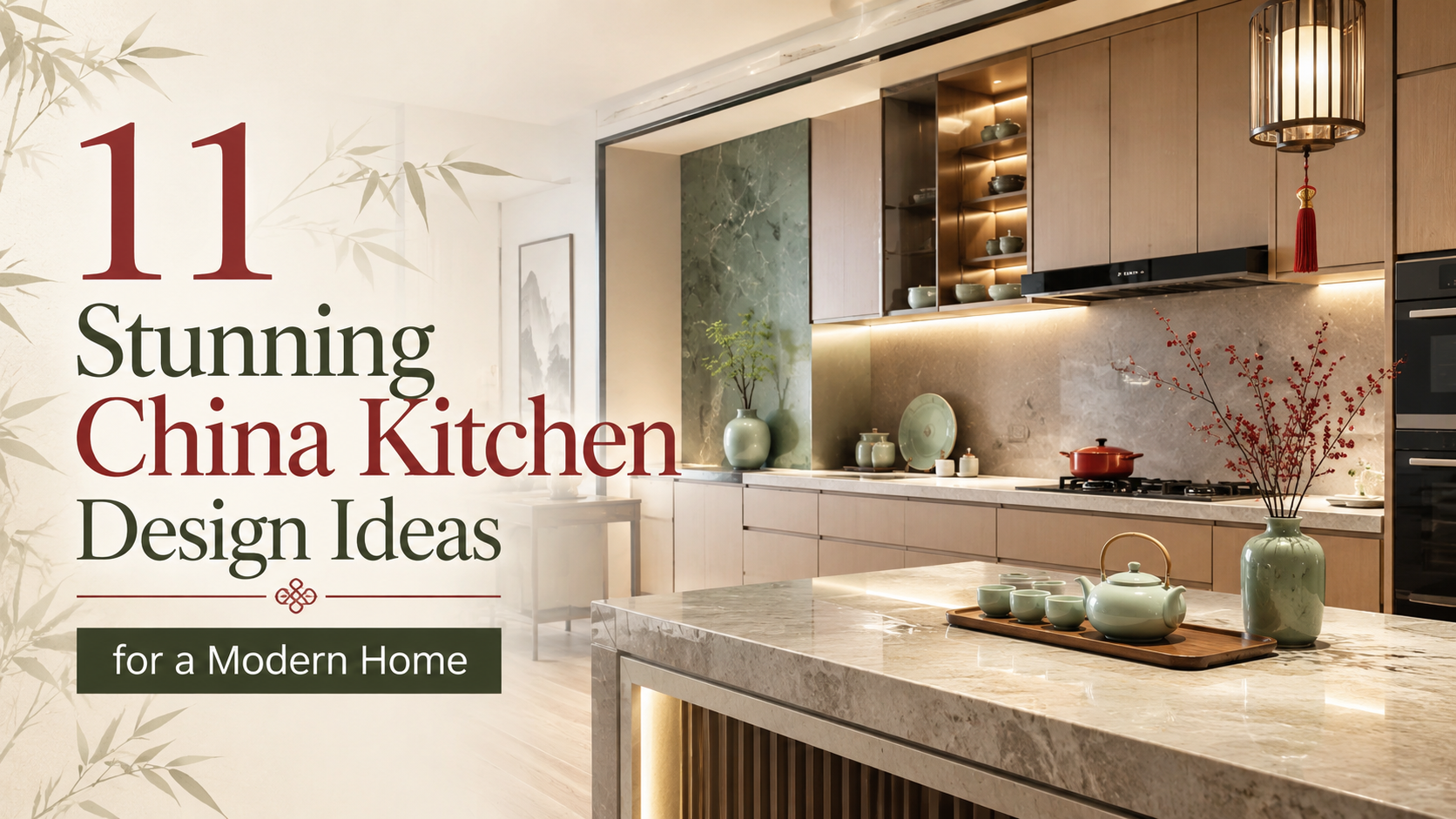
11 Stunning China Kitchen Design Ideas for a Modern Home
A beautiful kitchen should feel calm when you walk in, but it also needs to work hard once cooking begins. That balance is what makes China Kitchen design so appealing. It combines clean lines, organized storage, durable surfaces, strong ventilation, and a layout shaped around real cooking habits.
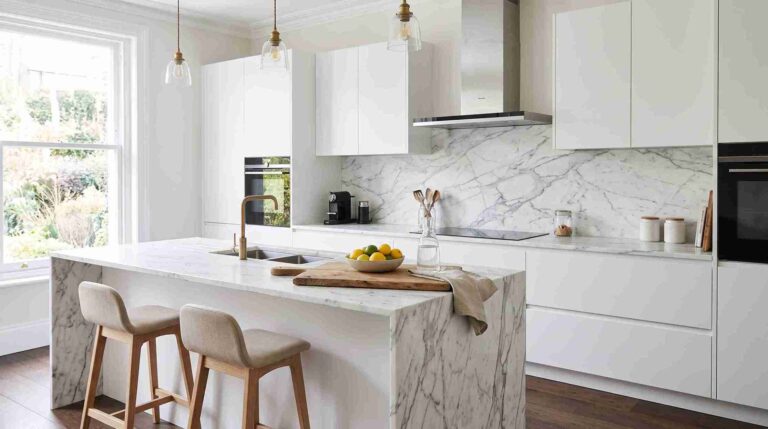
And no, it doesn’t mean filling the room with red lanterns or traditional symbols. A modern Chinese-inspired kitchen can be subtle—pale wood cabinets, dark stone counters, a practical wok zone, smart drawers, and perhaps one restrained red or jade accent.
In this guide, china kitchen design” means the contemporary approach commonly seen in Chinese homes and Chinese-inspired interiors. It suits small apartments and larger family houses because function comes first, without making the space feel cold.
What Makes China Kitchen Design Different?
Chinese cooking often includes chopping, steaming, boiling, and quick cooking over high heat. That creates movement, moisture, aromas, and grease, so the kitchen must be easy to clean and simple to move through.
A practical design usually includes:
- An externally vented range hood
- A clear preparation counter near the sink
- Deep drawers for pots, pans, and woks
- Closed cabinets that reduce visual clutter
- Heat- and stain-resistant surfaces
- Organized storage for sauces and appliances
- Warm wood, stone, or bamboo-inspired textures
- Layered task and ambient lighting
China Kitchen Design at a Glance
| Element | Recommended Choice | Why It Works |
|---|---|---|
| Layout | Galley, L-shaped, or U-shaped | Keeps work zones close |
| Cabinets | Flat-panel or simple wood fronts | Looks clean and modern |
| Counters | Quartz, granite, sintered stone, or steel | Handles frequent cooking |
| Ventilation | Ducted range hood | Removes smoke, steam, and odors |
| Storage | Deep drawers and pull-outs | Makes cookware easy to reach |
| Colors | Warm white, wood, charcoal, jade, muted red | Feels balanced |
| Lighting | Under-cabinet plus warm ceiling lights | Improves visibility and mood |
1. Plan Around the Way You Cook
Before choosing tile or cabinet colors, think about your routine. Do you use a wok several times a week? Do you need space for a rice cooker, steamer, kettle, or pressure cooker? Does more than one person prepare food?
In an efficient china kitchen design, the refrigerator, sink, preparation counter, and cooktop should follow a natural sequence. Ingredients come out, get washed, chopped, cooked, and served. Keep oils, sauces, knives, and utensils nearby, but safely away from direct heat.
2. Pick the Right Layout
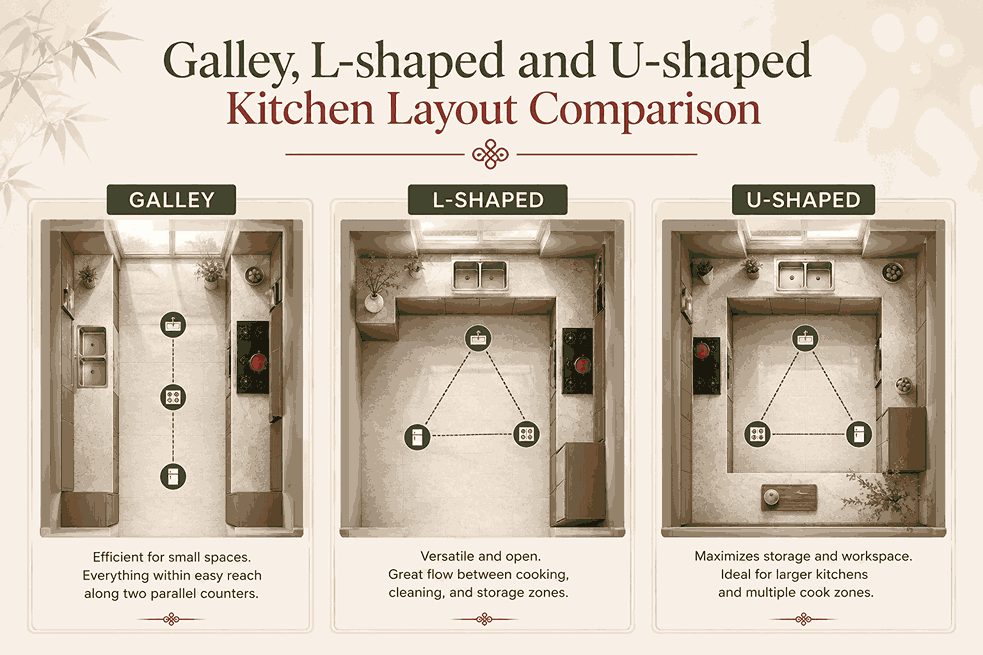
A galley kitchen works well in narrow apartments. An L-shaped layout feels more open, while a U-shaped plan provides extra storage and counter space.
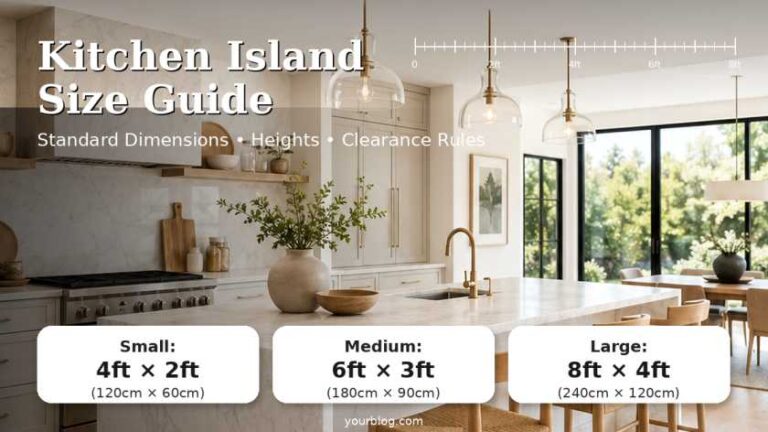
An island can help, but it shouldn’t be squeezed into every room. You still need space for people, appliance doors, and drawers to open. Before adding one, read our kitchen island size guide to check suitable dimensions and clearances.
3. Treat Ventilation as Essential
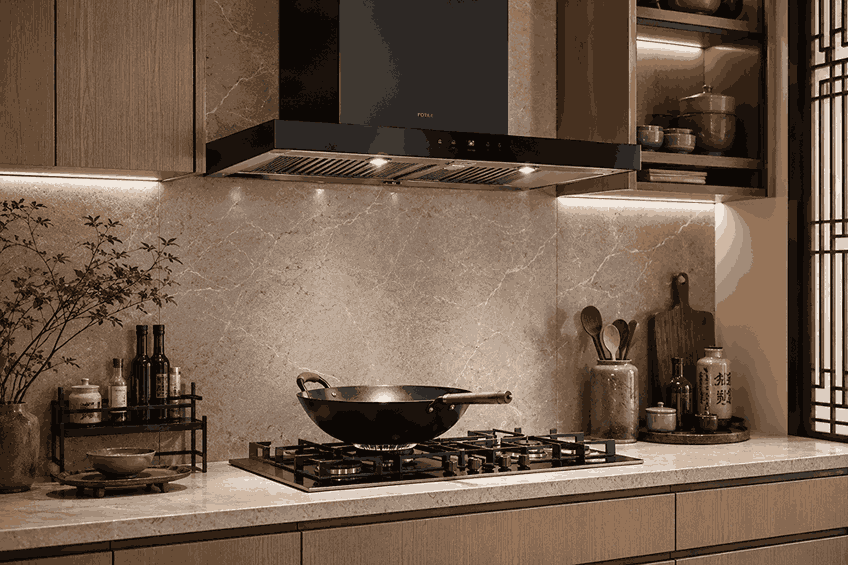
Ventilation is one of the most important parts of china kitchen design. High-heat cooking can produce smoke, steam, odors, and airborne grease. A properly sized ducted hood that sends air outdoors is usually more practical than a decorative recirculating model.
Place the cooktop where the duct route can stay short and efficient.
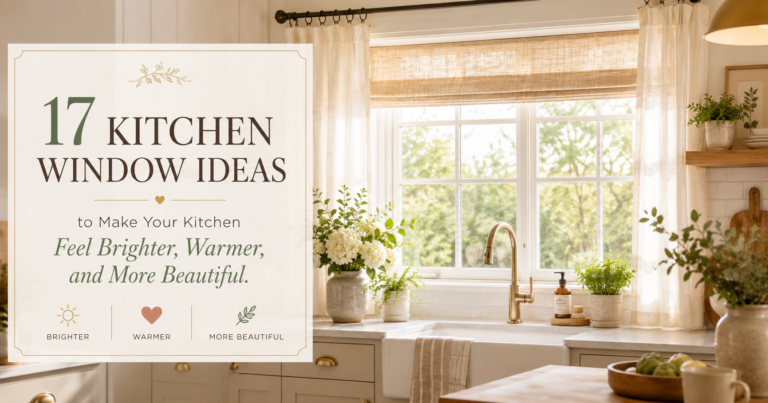
A window adds daylight and natural airflow. Our guide to kitchen window ideas shares ways to include one without losing too much wall storage.
4. Choose Calm Cabinets With Smart Interiors
Flat-panel cabinets create a clean, modern look. Handleless fronts, recessed pulls, or slim handles all work. Inside, however, the storage should be serious.
Consider:
- Wide drawers for woks and cookware
- Vertical dividers for trays and boards
- Pull-out racks for bottles and sauces
- A tall pantry for rice, noodles, and appliances
- Corner pull-outs rather than deep hidden shelves
- An appliance garage for everyday machines
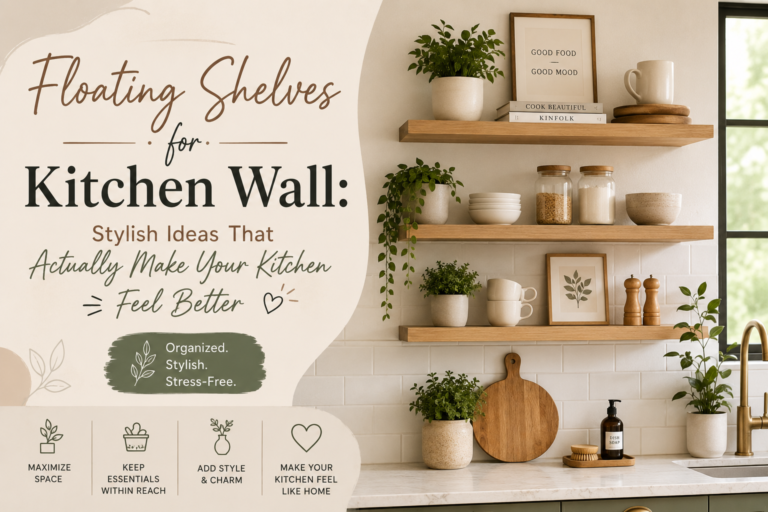
Open shelves can look beautiful, but avoid placing too many near the stove. For practical styling, see our floating shelves for the kitchen walls.
5. Mix Warm Wood With Durable Stone
Natural texture keeps the minimal design from feeling clinical. Light oak, walnut, bamboo-look panels, or wood veneer can soften white, gray, and black finishes.
Pair the cabinetry with a hardworking counter such as quartz, granite, sintered stone, or stainless steel around the busiest cooking area.
A balanced china kitchen design doesn’t need many competing finishes. Warm wood, pale stone, and a charcoal backsplash may be enough. Simple, grounded, not boring.
6. Use Chinese-Inspired Colors Carefully
Red is strongly connected with Chinese decorative traditions, but glossy red cabinets on every wall may overwhelm a small room. A more timeless approach is to use it in controlled amounts.
Try muted red on a pantry door, stools, a pendant light, or a narrow backsplash area. Jade green, terracotta, ink black, deep blue, and warm white also fit the style.
7. Create a High-Heat Cooking Zone
Frequent home cooks may benefit from a focused wok or heavy-cooking zone. It could be one end of the main kitchen, a compact back kitchen, or a “wet kitchen” behind a sliding glass door.
Use a strong hood, a non-combustible backsplash, a stable cooktop, and an easy-clean counter. Leave landing space beside the cooking surface so hot pans don’t need to be carried across the room.
8. Protect a Clear Preparation Counter
One common mistake is filling every surface with appliances. The kitchen may look large on a plan, yet there is nowhere comfortable to chop vegetables.
A good china kitchen design keeps one clear preparation zone near the sink. Store less-used appliances in a deep drawer, tall cabinet, or appliance garage.
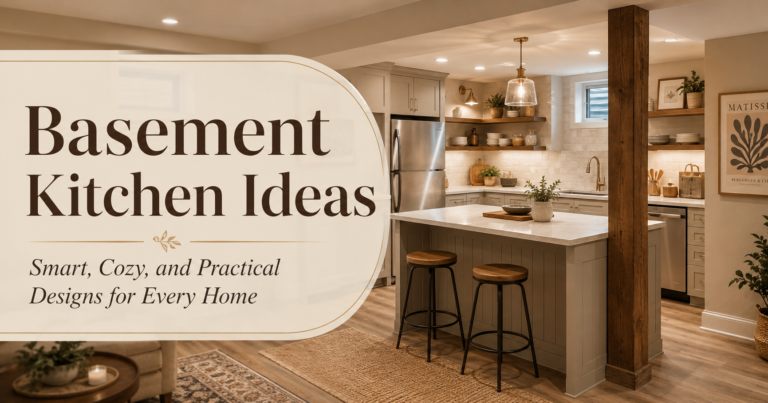
This matters even more in a lower-level room with limited light and airflow. Our basement kitchen ideas explain ways to improve storage, layout, and brightness.
9. Select an Easy-Clean Backsplash
The wall behind a wok receives more splashes than a lightly used breakfast kitchen. Porous stone, textured grout, and delicate finishes can become difficult to maintain there.
Large porcelain tiles, glass, stainless steel, quartz slabs, and sintered stone are practical choices. Fewer grout lines generally mean quicker cleaning.
But practical doesn’t mean plain. A subtle vein or narrow patterned section can add character without turning cleanup into a weekend project.
10. Layer the Lighting
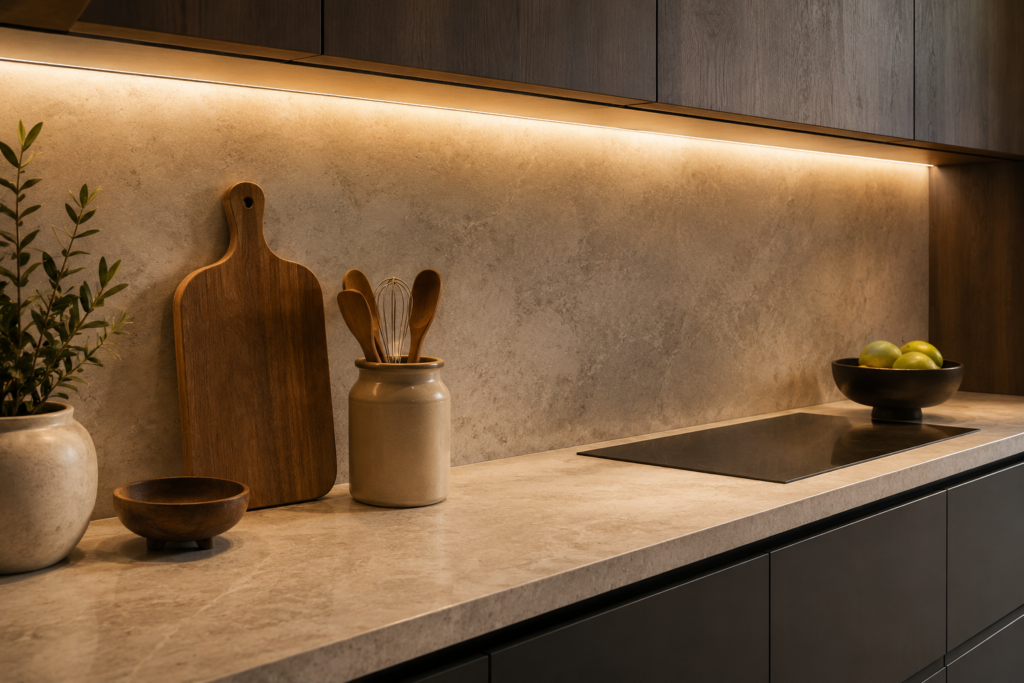
One ceiling fixture rarely provides enough light. Combine general illumination with task lighting over counters and softer evening light.
Under-cabinet LEDs help with chopping, while pendants can define an island.
In modern china kitchen design, concealed lighting works especially well because it supports clean lines and makes wood or stone feel warmer.
11. Add a Tea or Beverage Station
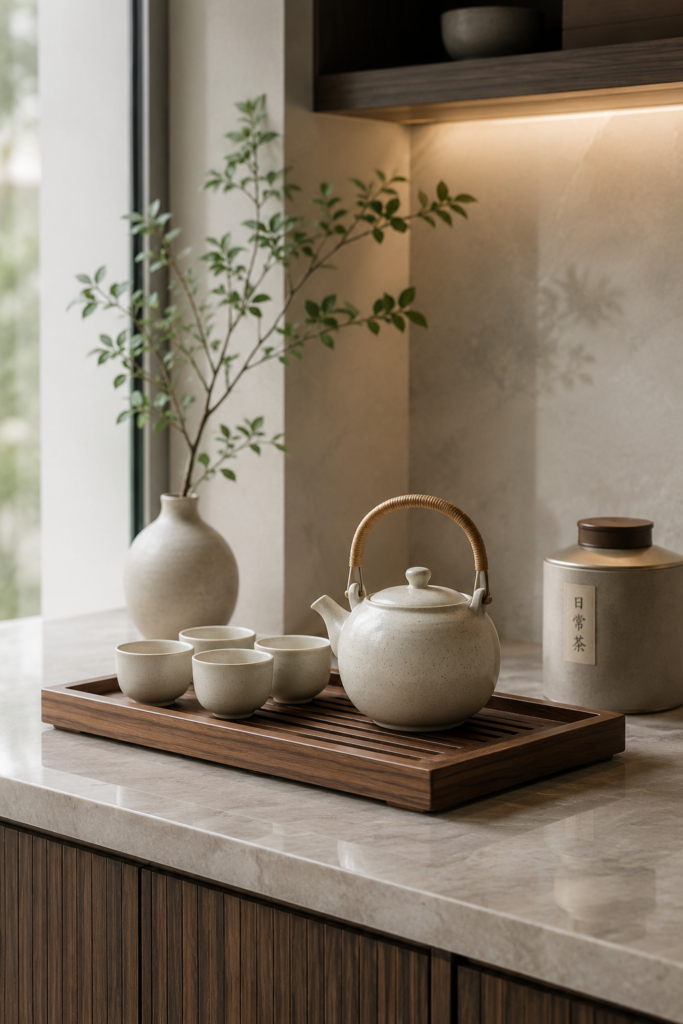
A small beverage station keeps people away from the main work zone. It may include a kettle, tea set, cups, coffee machine, or water dispenser. Add a shallow drawer for tea leaves and small tools.
Add a ceramic teapot, handmade tray, or small vase to make the area feel personal.
Connect the kitchen with the dining space.
The route from the cooktop to the dining table should feel easy. A round table improves movement in a tight room. A banquette adds seating and hidden storage.
An open-plan Chinese kitchen design can feel social, but aromas may spread. A clear or fluted-glass sliding partition gives flexibility: open it for casual use and close it during heavy cooking.
Affordable Ways to Improve the Kitchen
You don’t always need a complete renovation. Start with changes that affect daily use:
- Upgrade or clean the range hood.
- Add drawer organizers and pull-outs.
- Install under-cabinet lighting.
- Clear a proper preparation surface.
- Replace a hard-to-clean backsplash.
- Update handles, paint, or one accent panel.
For more manageable upgrades, explore our kitchen improvement ideas by Miprenovate.
Common Mistakes to Avoid
Watch out for these problems:
- An island that blocks circulation
- A weakness for frequent frying
- No landing space beside the cooktop
- Open shelves above greasy cooking zones
- Cabinets ordered before appliances are measured
- Too many cultural motifs in one room
- Surfaces chosen only for appearance
- Storage that is difficult to reach
Measure again with appliance and cabinet doors open.
Frequently Asked Questions
What Is China Kitchen Design?
China kitchen design is a contemporary approach influenced by Chinese cooking habits, efficient layouts, compact storage, reliable ventilation, durable surfaces, and a balanced mix of modern and traditional details.
Which Layout Is Best for a Chinese-Style Kitchen?
Galley, L-shaped, and U-shaped layouts can all work. The right choice depends on room size, appliance locations, number of cooks, and cooking style.
What Colors Should I Use?
Warm white, natural wood, charcoal, jade green, muted red, terracotta, and deep blue are good options. Use stronger colors as accents.
Can a China kitchen be open plan?
Yes, but ventilation needs careful planning. An externally vented hood, washable surfaces, and a sliding glass partition can help control steam, grease, and aromas.
How Can I Make a Small Kitchen Look Bigger?
Use light cabinet fronts, simple hardware, integrated appliances, under-cabinet lighting, reflective surfaces, and vertical storage. Clear counters also make the room feel larger.
Final Thoughts
A successful Chinese kitchen design is not about copying a decorative theme. It is about respecting cooking, storage, airflow, family meals, and the reality of daily cleaning.
Start with workflow and ventilation. Then add durable materials, calm cabinetry, warm textures, and one or two personal accents. The final kitchen should feel peaceful when it’s quiet—and completely capable when dinner begins.