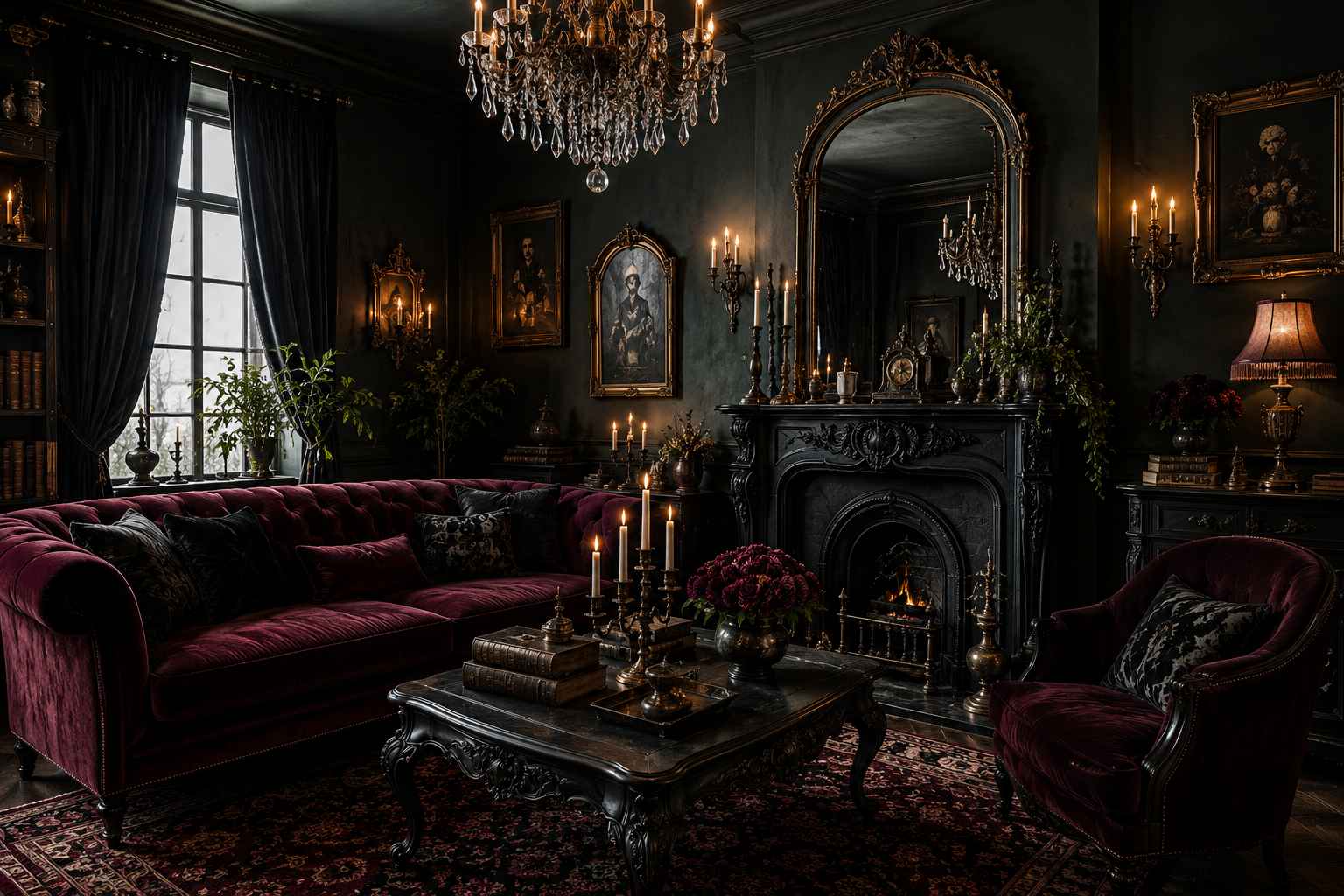
Gothic Home Decor: 15 Stunning Ideas for a Dark, Elegant Space
There’s something about gothic home decor that makes a room feel instantly more interesting. Dark, yes—but not necessarily gloomy. Done well, it feels rich, romantic, mysterious… and surprisingly cozy.
You don’t need a Victorian mansion or an entire room painted black either. Modern Gothic interiors can work in apartments, family homes, bedrooms, reading corners, even tiny entryways. The trick is choosing a few strong details and letting them breathe.
If you love carved furniture, deep colors, antique mirrors, velvet, candlelight, old books, or dramatic art, this style gives you plenty to play with. And if you’re already exploring gothic decor home ideas, this guide will help you turn individual pieces into a room that feels connected.
What Is Gothic Home Decor?
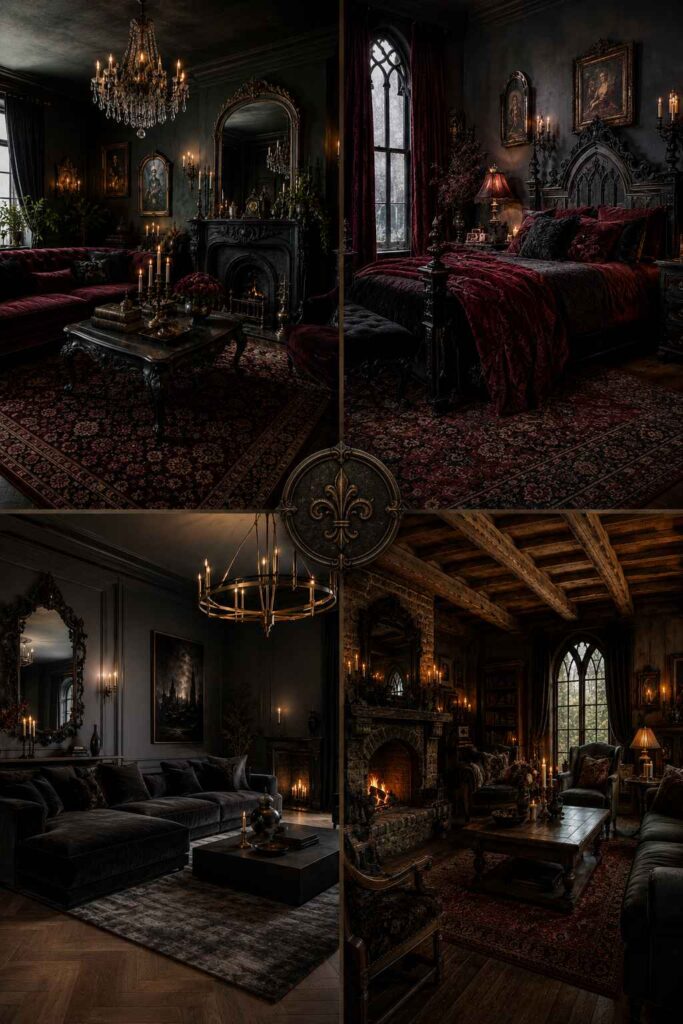
Gothic home decor borrows from Gothic architecture, Gothic Revival interiors, Victorian design, dark romantic styling, and modern goth culture. Traditional Gothic design is known for dramatic architecture and ornate detail, while today’s version is much easier to live with.
Think dark timber. Curved or pointed shapes. Rich fabrics. An old-looking mirror. Maybe a brass candlestick sitting beside a very normal modern sofa.
That contrast keeps the style fresh.
| Gothic Element | Easy Way to Use It | Best Rooms |
|---|---|---|
| Deep colors | Paint, curtains, rugs | Bedroom, living room |
| Velvet or jacquard | Pillows, chairs, headboards | Bedroom, lounge |
| Dark wood | Tables, cabinets, frames | Almost any room |
| Ornate details | Mirrors, lamps, carved furniture | Entryway, bedroom |
| Aged metal | Brass, iron, pewter accents | Dining, living room |
| Moody artwork | Portraits, botanicals, old-world prints | Hallway, office |
| Dramatic lighting | Chandeliers, sconces, candles | Dining, bedroom |
1. Build a Moody Color Palette First
Black is obvious, but gothic home decor gets more interesting when black isn’t doing all the work.
Try charcoal, oxblood, burgundy, deep plum, forest green, midnight blue, espresso brown, or smoky gray. Even warm cream can belong in a Gothic room beside dark wood and aged brass.
A few easy combinations:
- Charcoal + antique gold + dark green
- Burgundy + walnut + warm cream
- Black + plum + aged brass
- Deep navy + dark wood + muted silver
And don’t worry about matching everything perfectly. Gothic rooms often look better when they feel collected over time.
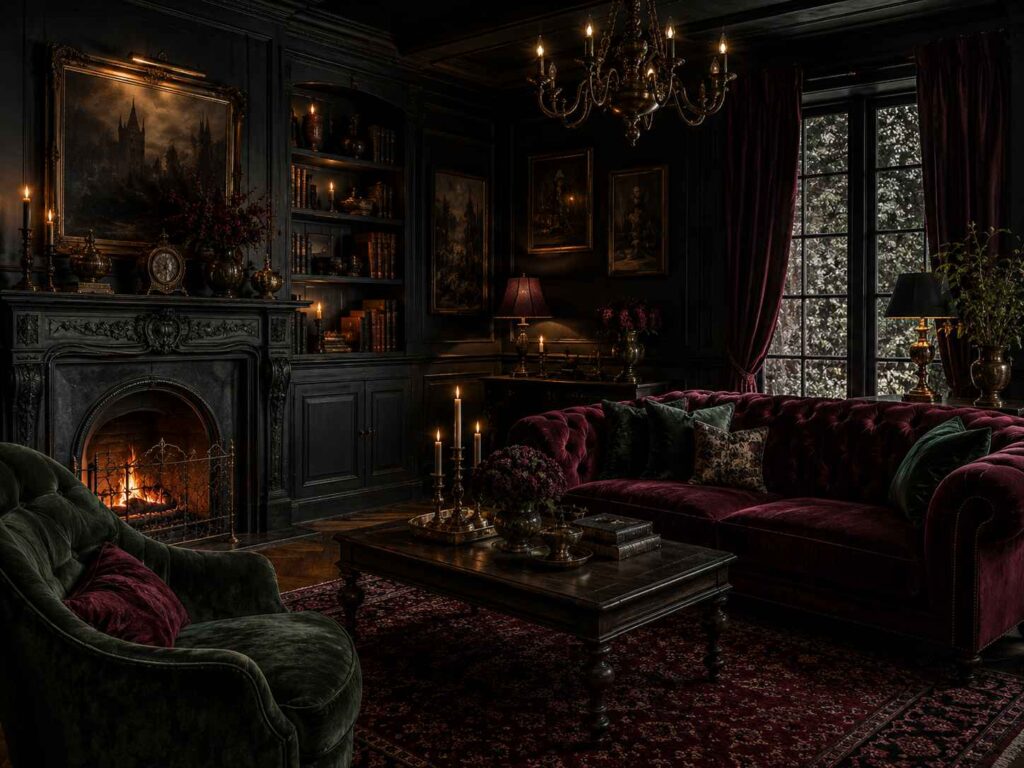
2. Add Texture So the Darkness Feels Warm
A dark room with only smooth black surfaces can fall flat. Texture fixes that.
Velvet works beautifully for cushions, curtains, accent chairs, and headboards. Jacquard, lace, worn leather, carved wood, stone, linen, and heavy rugs can join in too.
A velvet pillow on a plain sofa. A rough wooden table below a gilded mirror. Soft curtains beside an iron lamp. Small contrasts like these give gothic home decor depth without making it feel like a themed set.
3. Choose Furniture With Character
You don’t need to replace everything.
One carved sideboard, dark wood coffee table, vintage writing desk, tufted chair, or glass-front cabinet can shift the mood. Curved legs, high backs, aged finishes, and carved edges fit naturally.
But modern furniture isn’t banned. A clean-lined sofa can make ornate pieces look more intentional.
This is where gothic decoration home styling can go wrong—too many dramatic pieces start competing. Pick a hero piece, then let simpler furniture support it.
4. Give the Walls More Personality
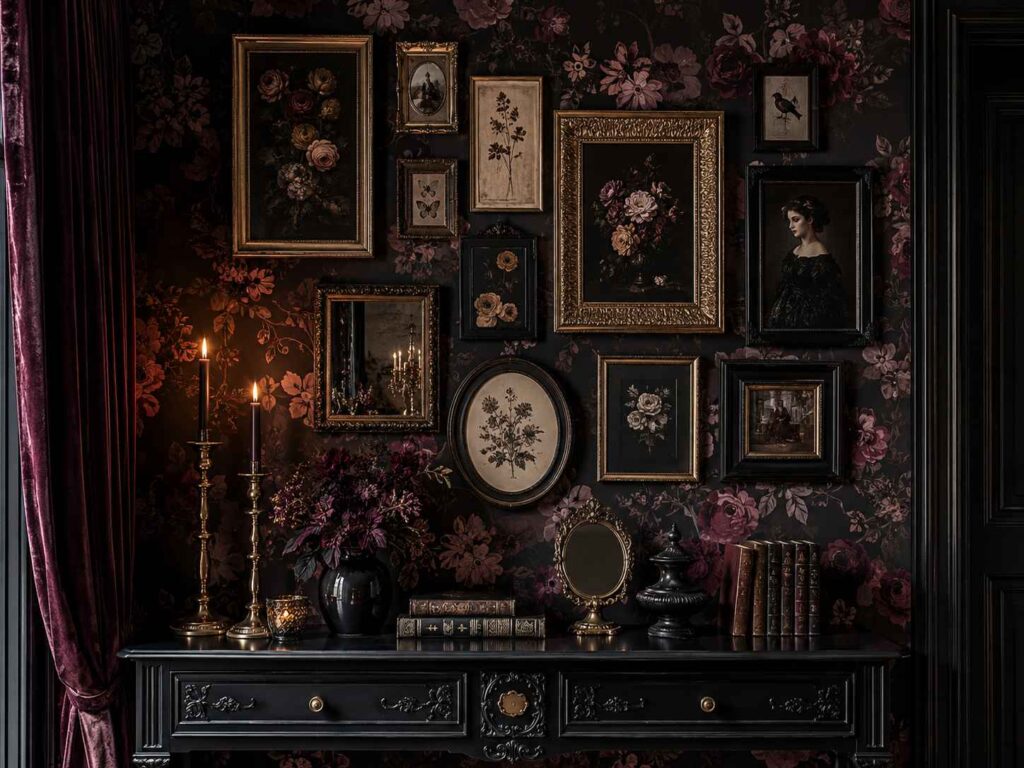
Dark floral wallpaper is a classic choice. Damask can work too, especially in a bedroom or dining room. If wallpaper feels like a big commitment, use one accent wall or framed wallpaper panels.
Other wall ideas include:
- Vintage-style portraits
- Botanical prints on dark backgrounds
- Antique-look mirrors
- Black-and-white photography
- Tapestry-inspired hangings
- Decorative moulding painted with the wall
A gallery wall can bring in gothic home decor without taking over. Mix frames, but keep one common thread—similar metals, colors, or mood.
5. Use Lighting for Atmosphere
Lighting might be the most underrated part of the look.
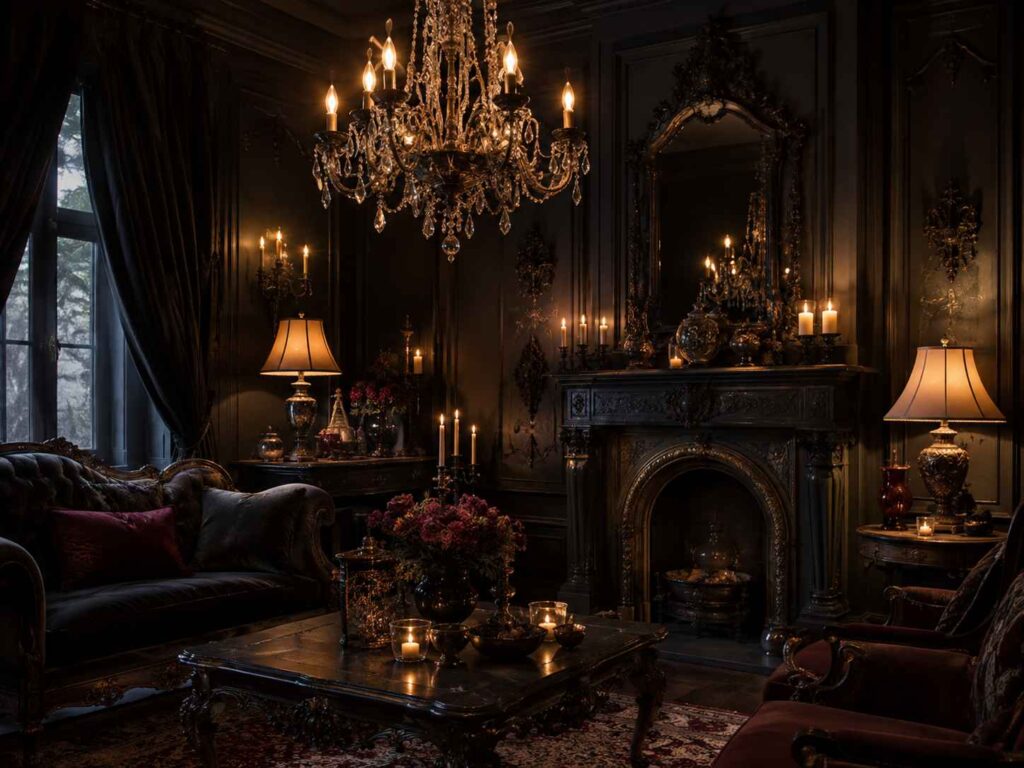
Instead of relying on one harsh ceiling light, layer a ceiling fixture with lamps, sconces, or soft accent lighting. Iron chandeliers, dark lampshades, vintage glass, brass bases, and candle-style fixtures all fit.
Real candles are lovely, but flameless candles are practical for shelves and bedrooms.
Warm light is usually your friend. Gothic home decor should feel dramatic, not like you’re sitting under office lighting.
6. Bring in Mirrors and Aged Metal
Dark rooms benefit from a little reflection.
An ornate mirror bounces light while adding old-world character. Antique brass, rubbed bronze, pewter, and aged silver often feel softer than shiny gold.
Repeat those finishes lightly through candlesticks, drawer handles, frames, trays, or lamp bases. Just a few touches.
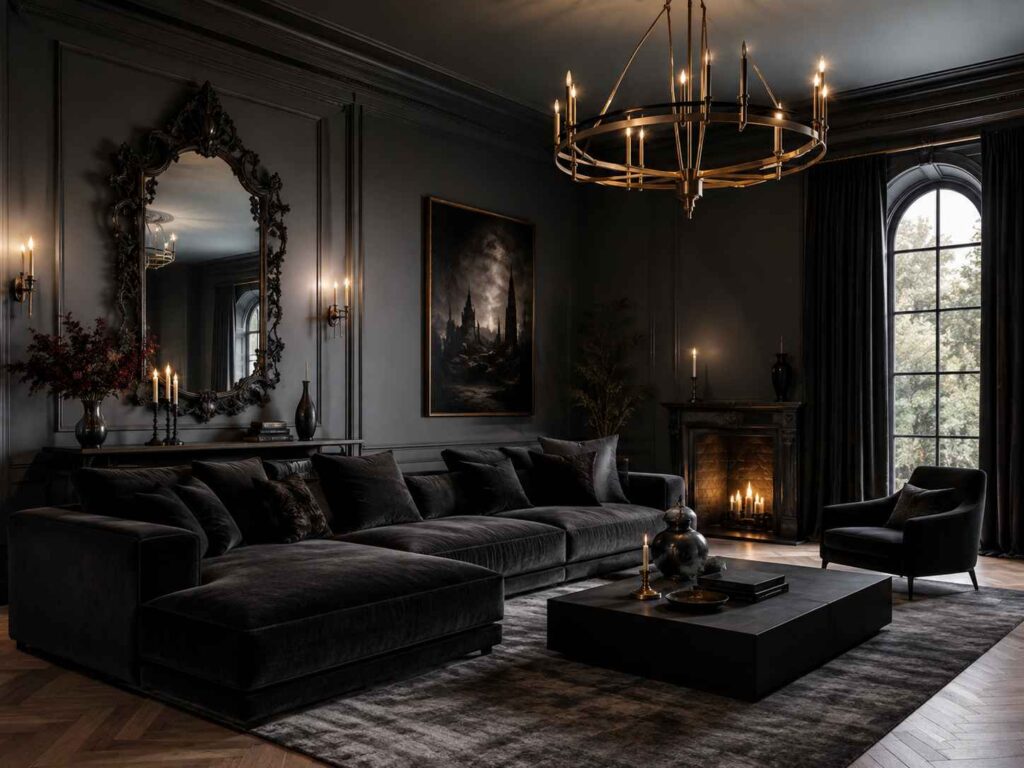
7. Create a Gothic Living Room That Still Feels Livable
Start with comfort first. Keep the sofa usable, leave walking space, and choose a rug large enough to ground the seating area. Then layer gothic home decor around those practical pieces.
A dark rug, velvet cushions, a vintage coffee table, moody artwork, and one dramatic lamp may be enough.
If you have a fireplace, make it the focal point with candles, framed art, a mirror, dark greenery, or small sculptural objects.
And if you like warmer spaces too, borrow ideas from [rustic home decor]. Rough wood, aged finishes, woven textiles, and earthy materials soften Gothic style beautifully.
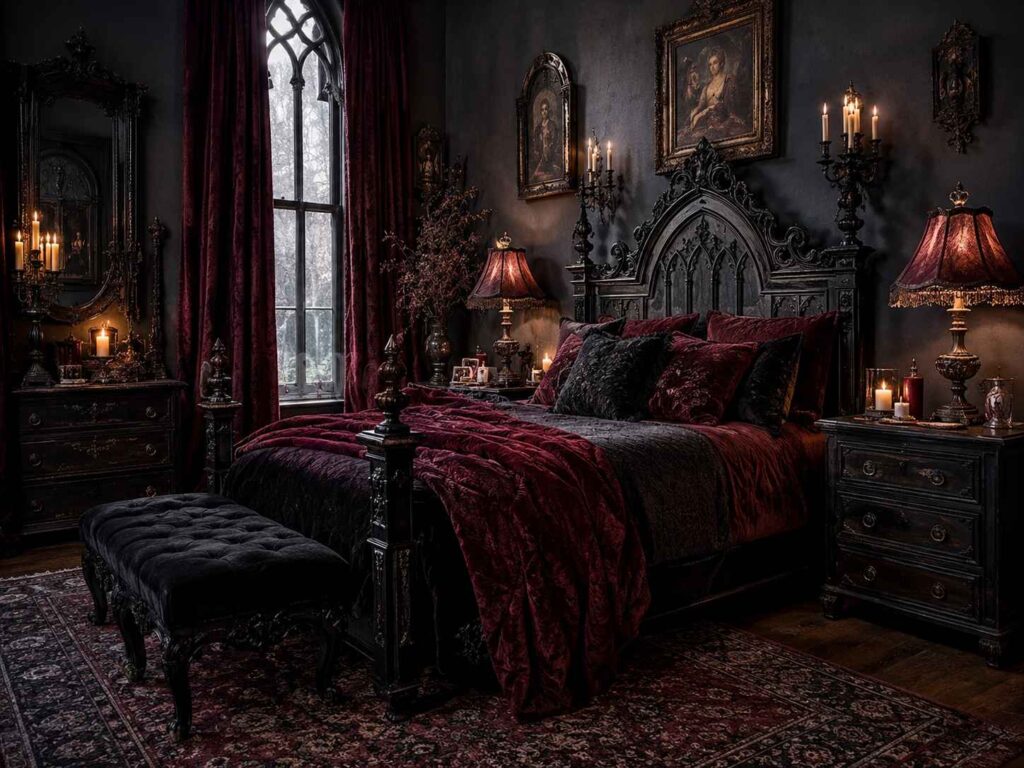
8. Make the Bedroom Dark, Soft, and Romantic
Bedrooms are perfect for Gothic styling because you can lean into softer fabrics and lower light.
Try a dark headboard or iron bed frame, layered bedding, long curtains, vintage bedside lamps, and artwork above the bed. Deep green, burgundy, charcoal, muted florals, and black can all work.
For a quieter goth home decorating look, keep the bedding neutral and use only a few dark accents. An antique mirror. One velvet throw. Dramatic curtains.
Still Gothic… just softer.
9. Bring the Look Into the Dining Room
A dark wood table, candle holders, linen napkins, vintage glassware, and a statement light fixture can create a Gothic dining room without turning dinner into theater.
In the kitchen, go smaller: dark pottery, brass hardware, framed art, a vintage runner, or old-looking glassware on open shelves.
10. Use Gothic Home Decor in Small Spaces
Small homes don’t need to avoid dark style. They just need balance.
Choose a few high-impact elements: one dark wall, a mirror, patterned rug, and sculptural lamp. Keep empty space around decorative pieces so the room doesn’t become visually crowded.
Hallways, powder rooms, reading nooks, and entryways are great places to experiment.
11. Mix Modern and Old-World Pieces
Modern gothic home decor works best when it isn’t trying too hard to look historic.
Pair a clean sofa with a Victorian-style mirror. Put a sculptural black lamp on a simple table. Hang an antique portrait above a minimal console.
This mix makes gothic home decor easier to live with—and stops the room from feeling like a movie set.
12. Let Rustic Details Warm It Up
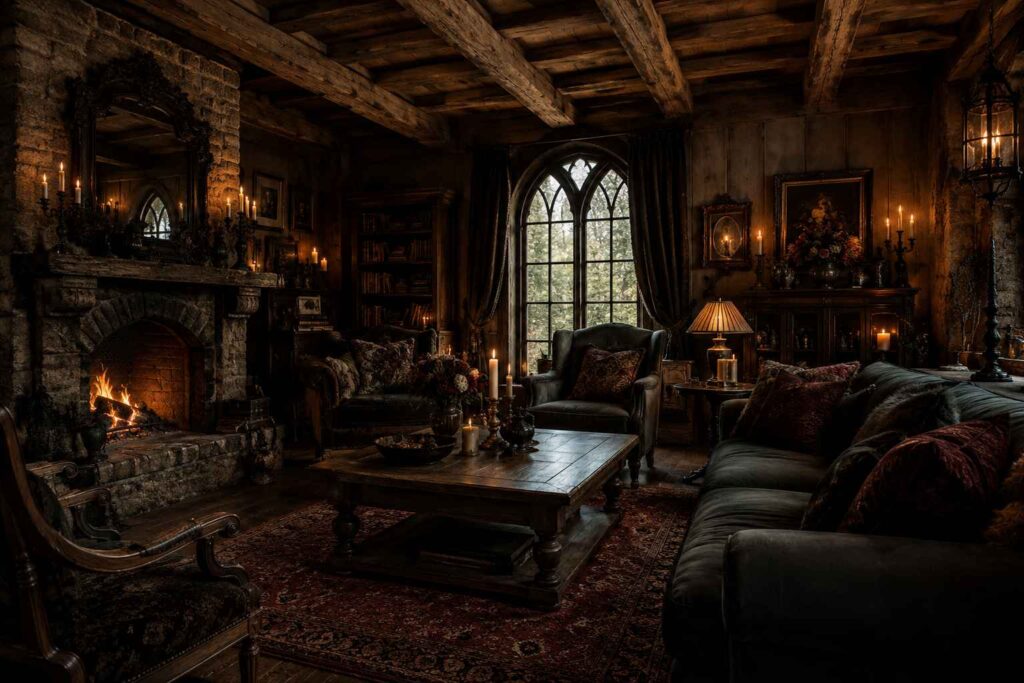
Gothic and rustic design share more than you might expect: aged wood, iron, leather, natural texture, and pieces that look better with a little wear.
If black and burgundy feel too heavy, bring in reclaimed-looking wood, stone, earthy brown, baskets, or a faded rug.
The room stays moody, but it feels grounded.
13. Change the Mood With the Seasons
You don’t have to keep the exact same styling all year.
Fall suits dried branches, deeper textiles, and candlelight. Winter works with evergreen foliage, velvet ribbon, antique gold, dark red, and warm fairy lights.
If you decorate for Christmas, pair the darker room with a traditional tree. See our guide to the Home Decorators Collection Christmas Tree for ideas you can adapt to a moody holiday setup.
In spring and summer, keep the dark furniture but switch heavy throws for lighter fabrics and fresh greenery.
14. Don’t Make Every Detail “Spooky”
Skulls, ravens, bats, moons, and unusual curios can belong in goth home decor. But they don’t all need to appear at once.
For a year-round look, mix symbolic pieces with normal decor: books, plants, ceramics, portraits, candles, textiles, and useful furniture.
One strange object is interesting.
Twenty strange objects on one shelf… maybe less so.
15. Build the Room Slowly
The nicest gothic home decor often feels collected rather than purchased in one afternoon.
Start with the biggest visual choice—paint, rug, curtains, or a main furniture piece. Then add layers and live with them for a few days.
Before calling the room finished, ask:
- Is there a clear dark or moody color story?
- Have I mixed at least two or three textures?
- Is there one focal piece?
- Does the lighting feel warm and layered?
- Is the room still comfortable and practical?
- Does it feel like me rather than a copied theme?
If most answers are yes, you’re probably there.
Final Thoughts
Gothic home decor doesn’t have to mean black walls, giant chandeliers, and a house full of antiques. It can be subtle. A dark floral print, carved mirror, velvet chair, warm candlelight… sometimes that’s enough.
The best rooms mix drama with comfort and history with personality. Borrow the elements you love, skip the ones you don’t, and give the space time to evolve.
Because a Gothic home should feel mysterious, sure. But it should still feel like home.
Frequently Asked Questions About Gothic Home Decor
What colors are best for gothic home decor?
Black is popular, but burgundy, forest green, plum, navy, charcoal, espresso brown, and warm metallics also work well. Several deep shades usually create more depth than black alone.
How can I make my home look Gothic without black walls?
Use dark curtains, velvet cushions, vintage furniture, ornate mirrors, moody art, old-style lighting, dark rugs, and aged metal accents. These details can create a strong gothic decor home look even with neutral walls.
Can gothic home decor work in a small apartment?
Yes. Use a few high-impact pieces instead of decorating every surface. A dark accent wall, statement mirror, vintage lamp, and textured textiles can add personality without overwhelming the room.
What is the difference between Gothic and goth home decor?
Gothic interiors often draw from historic architecture, Victorian influence, ornate furniture, and old-world materials. Goth home decor can be broader and may include modern subculture elements, macabre art, alternative symbols, or minimalist black decor.
How do I make Gothic decor feel cozy instead of gloomy?
Layer warm lighting, soft textiles, wood, rugs, comfortable seating, and a few reflective surfaces. The goal is contrast—dark color with warmth, texture, and breathing room.