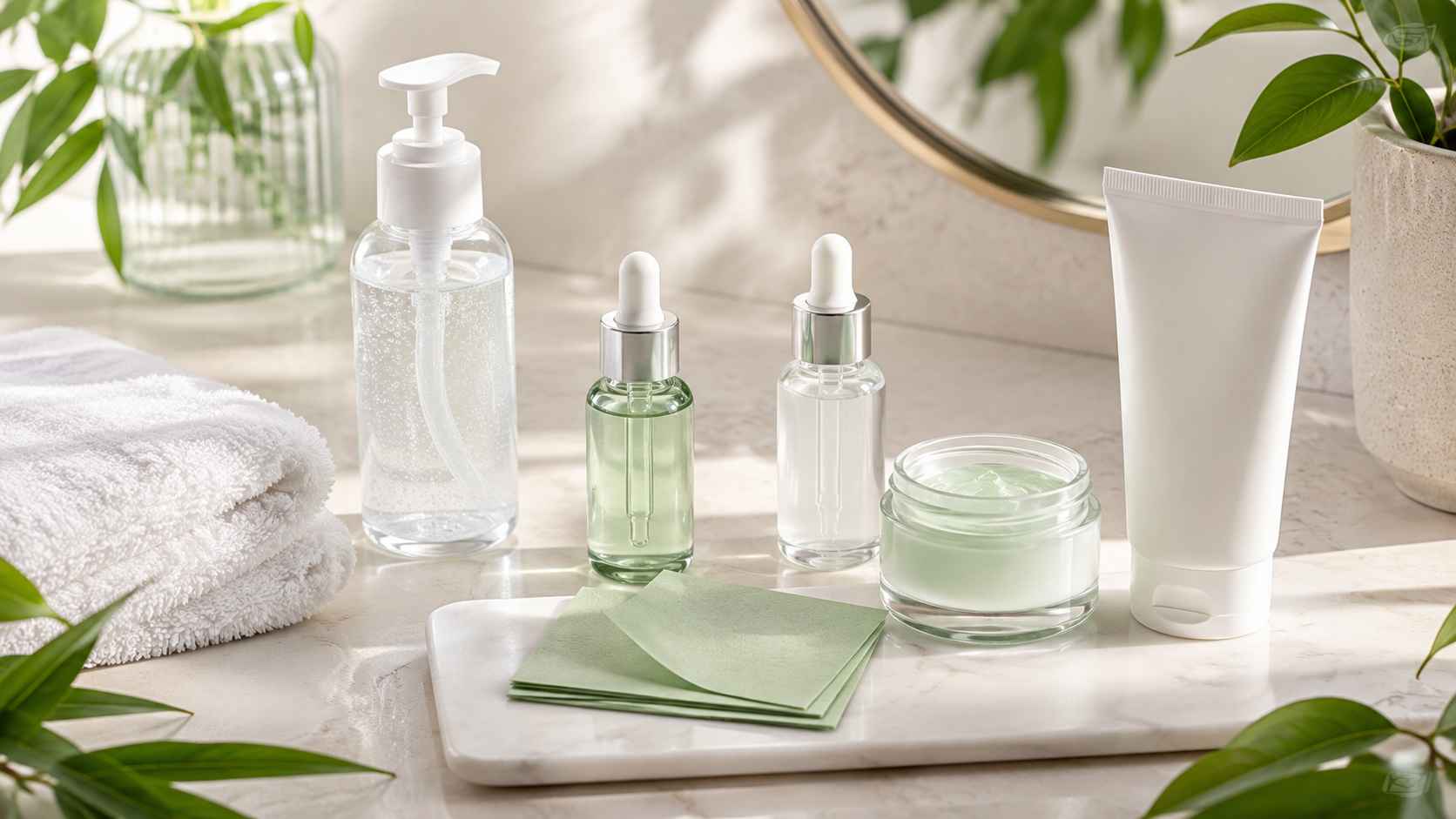
11 Best Picks: Top Skin Care Products for Oily Skin
Shopping for oily skin can get confusing very quickly. One bottle promises “deep cleansing,” another says “pore shrinking,” and somewhere in the middle you’re wondering whether moisturizer is even necessary.
It is.
The best top skin care products for oily skin don’t completely strip away oil. They help remove excess shine while keeping the skin barrier comfortable and hydrated. Skin that feels tight, rough, or irritated after cleansing isn’t necessarily cleaner…it may simply be over-cleansed.
Dermatologists generally recommend gentle foaming cleansers, oil-free and noncomedogenic products, lightweight moisturizers, and daily sunscreen for oily skin. Harsh scrubs and alcohol-heavy products can irritate the skin and sometimes make the situation feel worse.
What Should Oily Skin Products Do?
A good oily-skin routine should handle several jobs without becoming complicated.
Look for products that can:
- Remove excess oil without leaving the face tight
- Help keep clogged pores clear
- Support the skin barrier
- Provide lightweight hydration
- Protect the skin from sunlight
- Treat acne when acne is actually present
- Reduce visible shine during the day
And try not to add five active ingredients at once. Start slowly. Your skin needs time to show whether a product is helping or simply irritating it.
Quick Product Comparison
| Product type | Ingredient to consider | Best for |
|---|---|---|
| Foaming cleanser | Niacinamide and ceramides | Daily oil removal |
| BHA exfoliant | Salicylic acid | Blackheads and clogged pores |
| Balancing serum | Niacinamide | Excess shine and uneven texture |
| Gel moisturizer | Glycerin, ceramides, hyaluronic acid | Lightweight hydration |
| Facial sunscreen | Broad-spectrum SPF | Daily protection |
| Acne cleanser | Benzoyl peroxide | Inflamed breakouts |
| Retinoid treatment | Adapalene | Recurring clogged pores |
| Micellar water | Fragrance-free formula | Removing makeup |
| Blotting papers | Oil-absorbing paper | Midday shine |
| Clay mask | Kaolin or bentonite | Occasional oil absorption |
| Azelaic acid | Azelaic acid | Congestion and uneven tone |
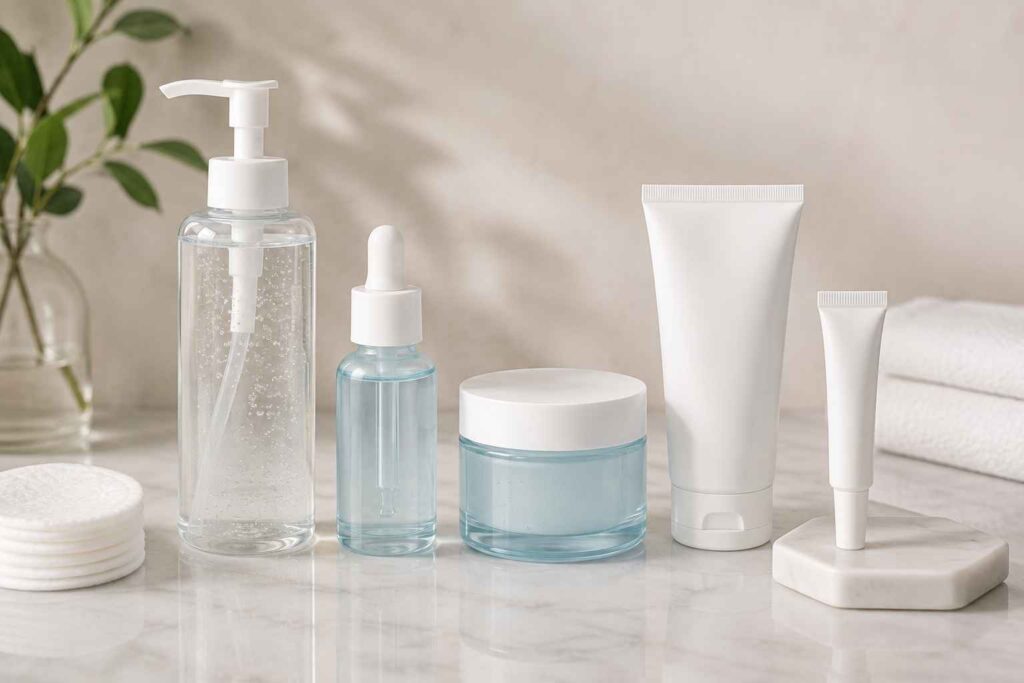
1. A Gentle Foaming Cleanser
A gentle cleanser should be the starting point in most oily skin care routines.
CeraVe Foaming Facial Cleanser is one current example designed for normal-to-oily skin. It contains ceramides, hyaluronic acid, and niacinamide and is formulated to remove excess oil without leaving the skin feeling overly tight.
Wash your face up to twice daily and after heavy sweating. More washing isn’t always better. Scrubbing repeatedly can irritate acne-prone skin.
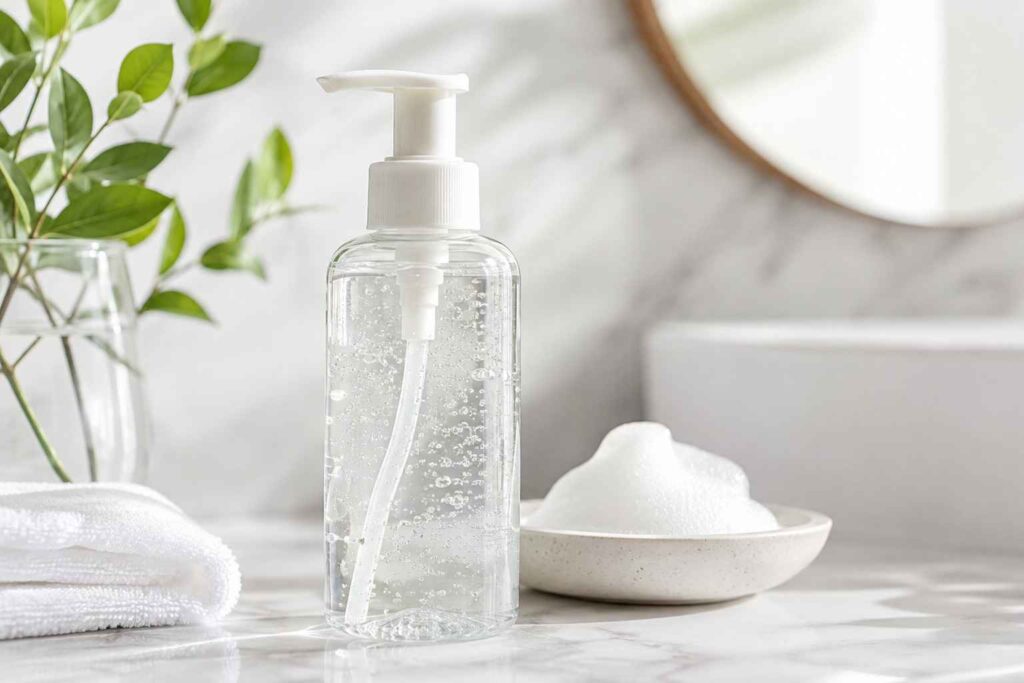
2. A Salicylic Acid Exfoliant
Salicylic acid is useful when oil combines with dead skin cells and creates blackheads or rough, clogged pores.
A leave-on product such as Paula’s Choice Skin Perfecting 2% BHA Liquid Exfoliant is a popular example. But don’t assume it needs to be used every day from the beginning.
Start two or three nights per week. Reduce frequency if you notice burning, persistent redness, or peeling. The American Academy of Dermatology notes that salicylic acid and other exfoliating acids can help reduce oiliness but may be too harsh for some skin types.
3. A Niacinamide Serum
Niacinamide is one of the easier ingredients to add when your skin looks oily but also feels slightly dehydrated.
It may help regulate oil production, support the skin barrier, and make enlarged pores appear less noticeable.
The Ordinary Niacinamide 10% + Zinc 1% is one current noncomedogenic example intended to target excess sebum and visible congestion.
But 10% may feel strong on sensitive skin. A lower-strength niacinamide formula can be a perfectly sensible choice.
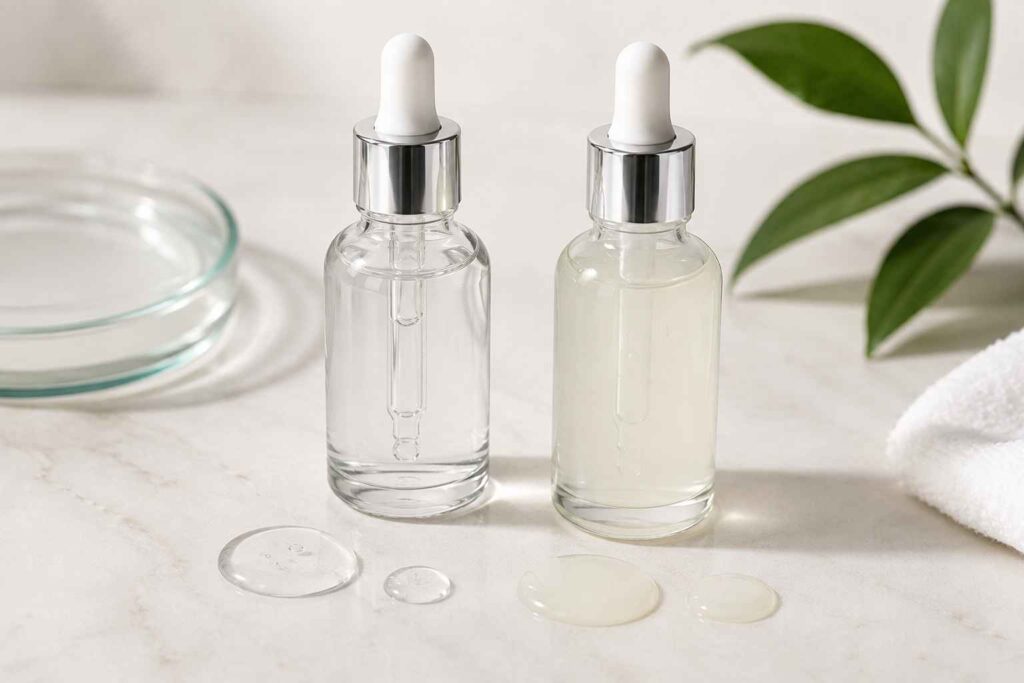
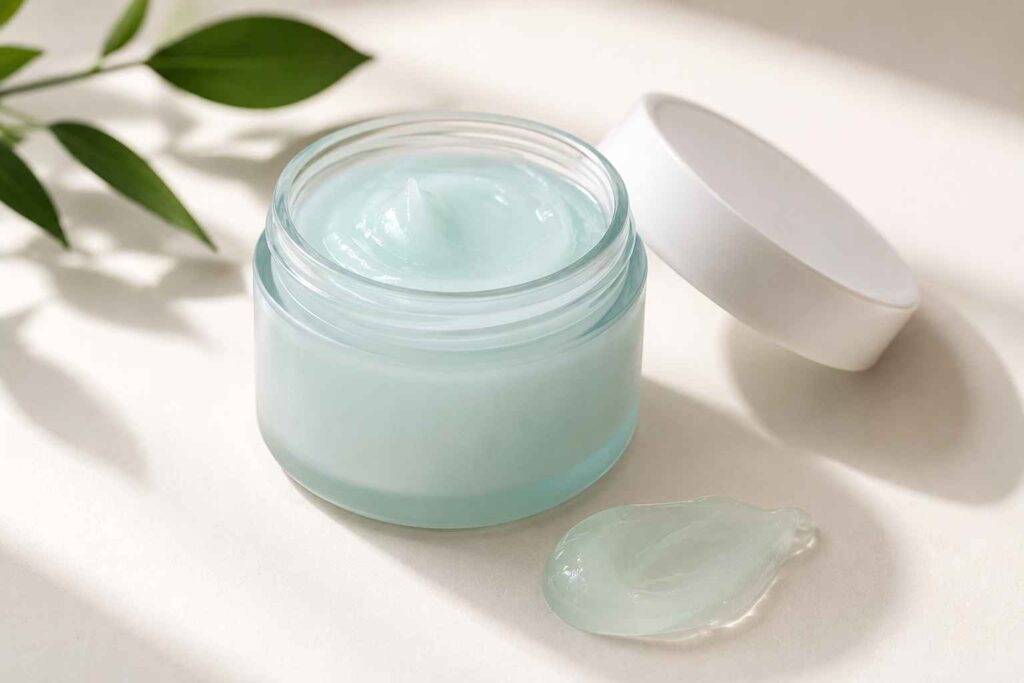
4. A Lightweight Moisturizer
Yes, oily skin still needs moisturizer.
Skipping hydration can leave the skin uncomfortable, especially when you’re using salicylic acid, benzoyl peroxide, or adapalene. Look for words such as:
- Oil-free
- Noncomedogenic
- Lightweight
- Gel texture
- Fragrance-free
La Roche-Posay Toleriane Double Repair Matte Moisturizer is formulated for combination and oily skin with a lightweight gel texture. It contains niacinamide, glycerin, and ceramide-3 and is designed to hydrate without a shiny finish.
A basic lightweight lotion is often enough. No need for a thick sleeping mask every night.
5. A Noncomedogenic Sunscreen
Sunscreen belongs in every morning routine, including oily-skin routines.
Choose a lightweight broad-spectrum sunscreen that doesn’t feel greasy beneath makeup. EltaMD UV Clear SPF 46 is one example marketed for oily, combination, and acne-prone skin. It is oil-free, fragrance-free, lightweight, and noncomedogenic.
The FDA recommends using broad-spectrum sunscreen regularly and reapplying at least every two hours when exposed to sunlight, especially after swimming or sweating.
6. A Benzoyl Peroxide Cleanser for Active Acne
Oily skin and acne aren’t the same thing. But when inflamed pimples appear regularly, a benzoyl peroxide cleanser may help.
Benzoyl peroxide works against acne-causing bacteria and also helps remove excess oil and dead skin cells. Lower strengths may work as well as stronger versions while causing less irritation.
Use it as an acne treatment—not just because your forehead looks shiny. It can cause dryness and may bleach towels or pillowcases.
7. Adapalene for Recurring Breakouts
Adapalene is an over-the-counter retinoid used to help unclog pores and prevent new breakouts.
Differin Gel contains 0.1% adapalene and is intended for consistent, full-face acne treatment rather than occasional spot use.
Start carefully because dryness and irritation are common at first. Don’t combine several strong exfoliants with adapalene on your first night. Slow and boring is often better.
Speak with a dermatologist before using retinoid products during pregnancy or when trying to conceive.
8. Fragrance-Free Micellar Water
If you wear sunscreen or makeup, micellar water can be useful as a first cleansing step.
Choose a simple, fragrance-free formula and follow with your regular cleanser. Don’t treat micellar water as an excuse to sleep in makeup—leaving makeup on overnight can contribute to clogged pores and breakouts.
9. Blotting Papers
Blotting papers aren’t a treatment, but they’re useful.
Press the paper gently against shiny areas for a few seconds. Don’t rub it across your face. The American Academy of Dermatology recommends blotting papers as a simple way to absorb surface oil during the day.
They’re especially handy before photos, meetings, or makeup touch-ups.
10. An Occasional Clay Mask
A clay mask can temporarily absorb oil and make the skin feel cleaner. Use it once a week or only on the oily T-zone.
But don’t leave it on until your face feels frozen.
If the mask causes burning, cracking, or intense tightness, wash it off. A clay mask is an optional extra not the foundation of your routine.
11. Azelaic Acid
Azelaic acid may suit oily skin that also experiences clogged pores, post-breakout marks, or uneven tone.
It is one of several topical ingredients used for comedonal acne, alongside salicylic acid, retinoids, and benzoyl peroxide.
Introduce it gradually and avoid layering it with every other treatment at once.
A Simple Morning and Night Routine
Morning
- Gentle foaming cleanser
- Niacinamide serum
- Lightweight moisturizer
- Broad-spectrum sunscreen
Evening
- Makeup remover when needed
- Gentle cleanser
- Salicylic acid, adapalene, or another single treatment
- Lightweight moisturizer
Don’t use every active treatment in the same routine. Alternating nights is usually easier for beginners.
If your skin becomes red or irritated, pause strong treatments and focus on gentle cleansing and moisturizing. Our guide to anti-inflammatory skin care products may help you understand soothing product categories and ingredients.
Common Oily-Skin Mistakes
Avoid these habits:
- Washing the face five or six times daily
- Using rubbing alcohol as a toner
- Scrubbing blackheads aggressively
- Skipping moisturizer
- Trying several acne treatments together
- Choosing products only because they say “matte”
- Picking or squeezing breakouts
- Giving a new routine only three days to work
Deep, painful, scarring, or persistent acne deserves professional help. A board-certified dermatologist can identify whether the issue is acne, irritation, rosacea, hormonal breakouts, or something else.
Final Thoughts
The top skin care products for oily skin don’t need to create a completely matte face. Skin naturally produces oil, and some oil is useful.
A gentle cleanser, lightweight moisturizer, sunscreen, and one targeted treatment are enough for many people. Build slowly. Watch how your skin responds.
And don’t confuse stinging with progress…
Comfortable, consistent skin care usually wins.
Frequently Asked Questions
Should oily skin use moisturizer?
Yes. Dermatologists recommend moisturizing oily skin after cleansing. Choose a lightweight, oil-free, and noncomedogenic formula.
Is salicylic acid good for oily skin?
Salicylic acid can help reduce oiliness and unclog pores, but it may irritate sensitive skin. Start with limited use and reduce frequency if dryness develops.
Can I use niacinamide every day?
Many niacinamide products are designed for regular use. However, stronger formulas can occasionally irritate, so introduce the product slowly.
How often should oily skin be washed?
Wash up to twice daily and after sweating. Excessive washing and scrubbing can irritate the skin.
When should I see a dermatologist?
Seek professional advice for painful, deep, scarring, persistent, or rapidly worsening acne, or when over-the-counter products are not helping.